15 Practical Money-Saving Tips for Everyday Life

Managing your spending can sometimes feel challenging when there are so many opportunities to spend without realising how quickly small purchases can add up.
Building your savings isn't always about having a high income or giving up the things you enjoy. It can simply start with being more mindful of your everyday spending habits.
Small changes to these habits may seem insignificant at first, but they can gradually make a difference over the months and years. With that in mind, here are 15 practical money-saving tips you can consider adding to your everyday routine.
1. Water Savings
Take a reusable water bottle with you on day trips. Buying bottled water can quickly add up, especially in places where it costs more. You can also make use of public refill stations when available to stay hydrated throughout the day.
2. Budget Beverage
Choose water instead of fizzy drinks when dining out, as drinks can add quite a bit to the final bill. If complimentary tap water is available, you can request it rather than ordering bottled water.
It also helps reduce your intake of sugary drinks.
3. Envelope Budgeting
Reuse empty envelopes for multiple purposes, such as writing grocery lists, daily tasks, shopping reminders, or simple meal-planning notes. You can also use them to store receipts, coupons, small notes, or even a few coins in one place.
This can reduce the need to buy separate notepads or organisers.
4. Sewing Essentials
Keep a simple sewing kit for minor clothing repairs, such as fixing loose buttons or hems and small tears. A few basic items, such as needles, thread, scissors, and a measuring tape, may be all you need.
Making simple repairs can also keep your clothes in good condition for longer.
5. Quality Furniture
Consider quality and durability when choosing furniture. For items you use every day, such as mattresses, sofas, and chairs, look at comfort, materials such as wood, fabric, or metal, as well as frames, joints, stitching, and fittings.
A cheaper item that needs replacing several times may ultimately cost more than one durable purchase.
6. Product Efficiency
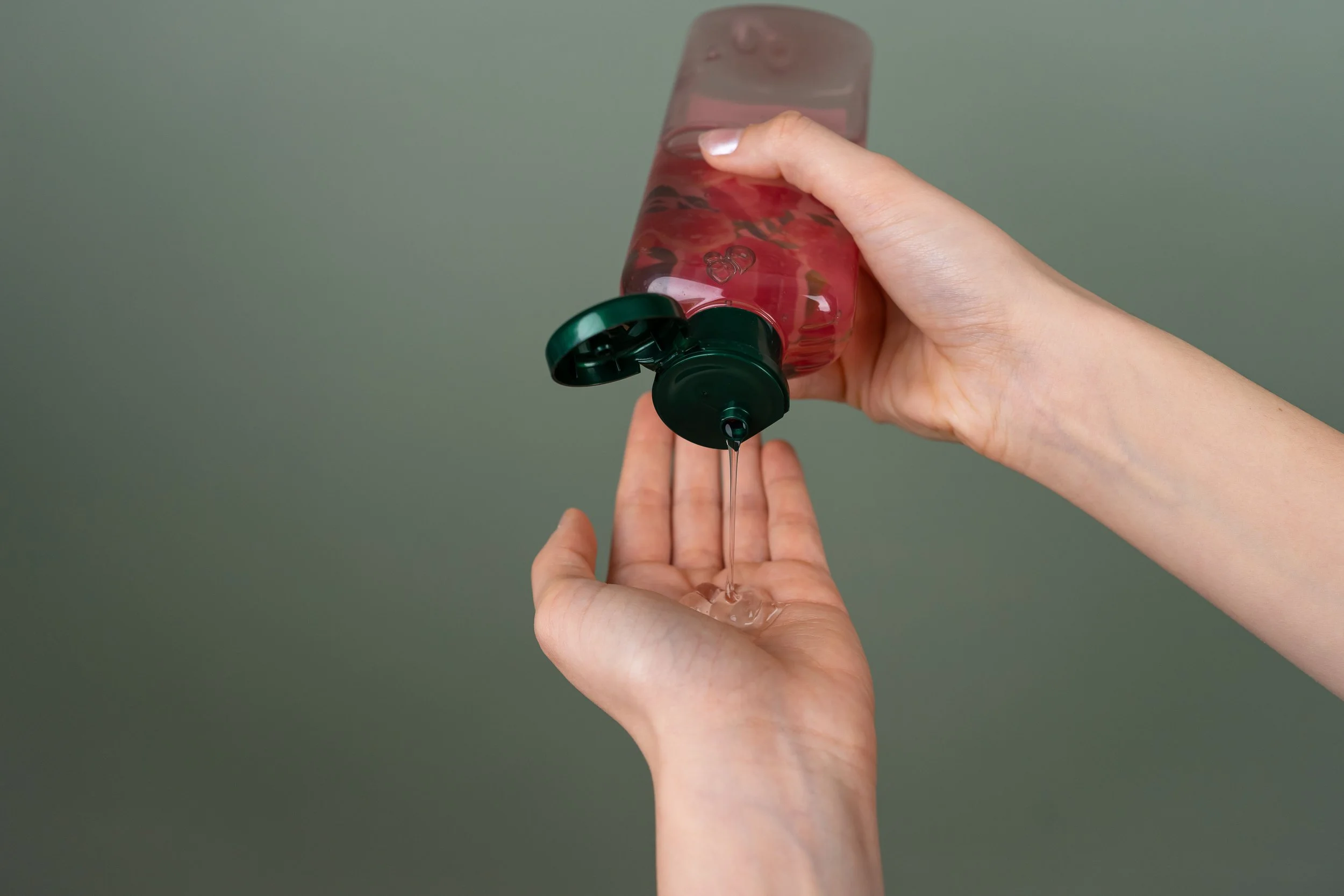
Use the recommended amount of everyday products such as laundry detergent, shampoo, and dishwashing liquid. Check the instructions, especially for concentrated products, as you may need only a small amount.
Using the appropriate amount avoids unnecessary product use and means you won't need to replace products as often.
7. Solo Shopping
Consider shopping alone to help you stick to your budget. It gives you more time to compare different brands, sizes, and prices without feeling rushed.
You can also decide whether an offer is genuinely useful and keep track of your spending. When shopping with others, their choices may influence you to buy something you had not planned to purchase.
8. Travel Checklist
Create a packing list before travelling to avoid unnecessary purchases during your trip. Include essentials such as clothes, toiletries, chargers, and other items you may need.
Checking everything before leaving can reduce the chance of forgetting something and having to buy it again at your destination.
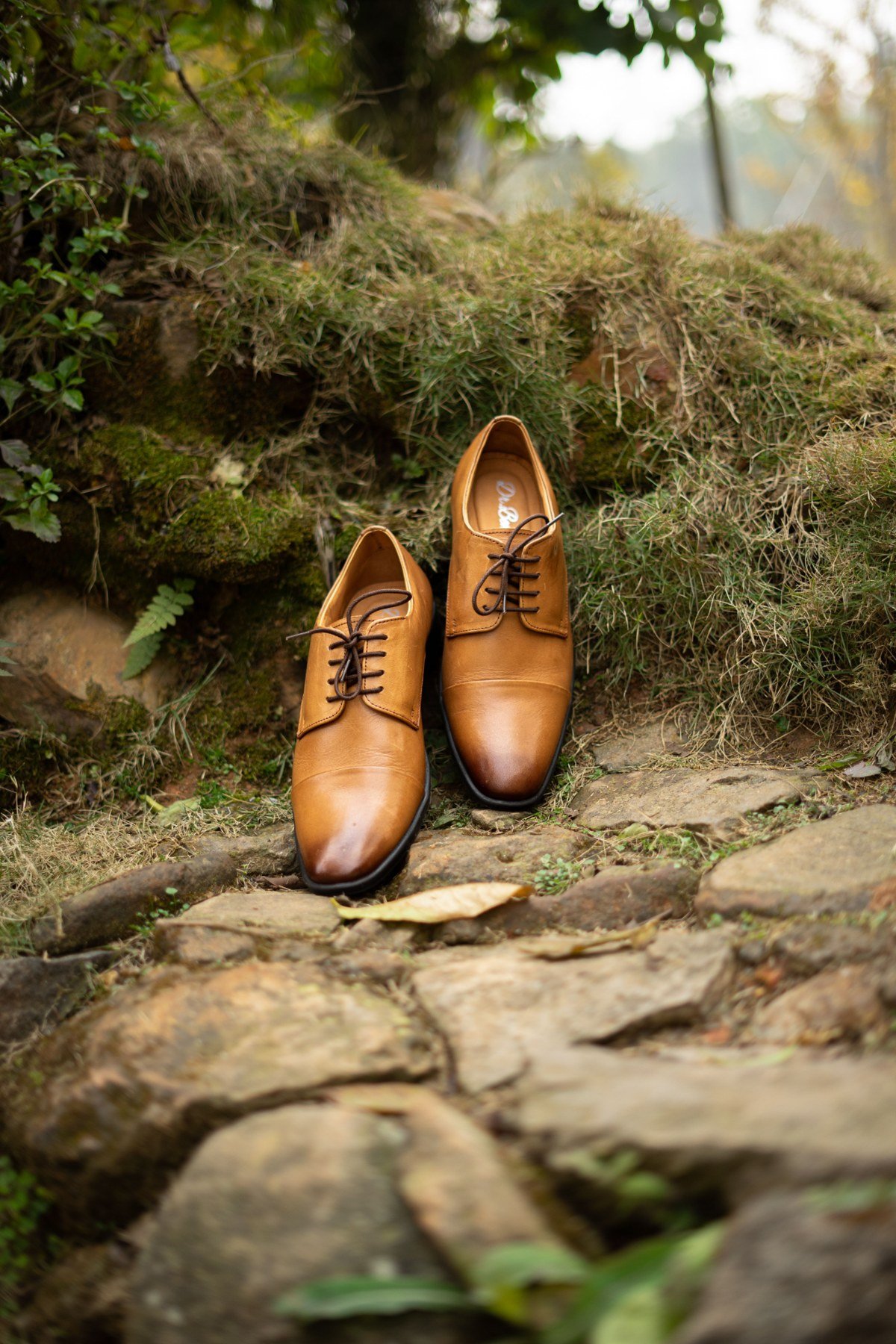
9. Quality Shoes
Consider durability when buying shoes rather than choosing based on price alone.
Look for stronger materials, stitching, soles, good cushioning, and foot support that can withstand everyday wear and provide added comfort for activities such as walking, shopping, travelling, or work
10. Smart Start
Try a free trial before choosing an annual subscription. Use the trial period to explore the features, compare similar services, and see how often you actually use them.
Sometimes, the free version itself may have everything you need, so there may be no need to upgrade to a paid plan. Keep track of when the trial ends so you can cancel before being charged if you decide not to continue.
11. Research First
Before investing in a course or training programme, consider trying free resources or introductory lessons first. Research what you will be learning, the level of difficulty, and the time commitment involved.
This can help you decide whether it suits your interests and goals before making a purchase.
12. Kitchen Simplicity
Purchase new kitchen gadgets wisely by thinking about how often you are likely to use them. Some appliances may seem useful at first but can end up sitting unused in the kitchen.
For example, if you only make toast occasionally, a regular skillet may work just as well without needing a separate appliance.
13. Freeze Before You Travel
Before going away on holiday, check your fridge for vegetables that may spoil. If they are suitable for freezing, wash, chop, and freeze them to use when you return.
They can be handy for preparing a simple meal after your trip.
14. Use the Last Drop
When your hand wash is almost finished, add a small amount of water, gently swirl the bottle, and use the diluted hand wash straight away to make full use of what is left.
For some bottles, you can also turn them upside down briefly to help move the remaining product towards the opening.
15. Dine Out Instead of Delivery
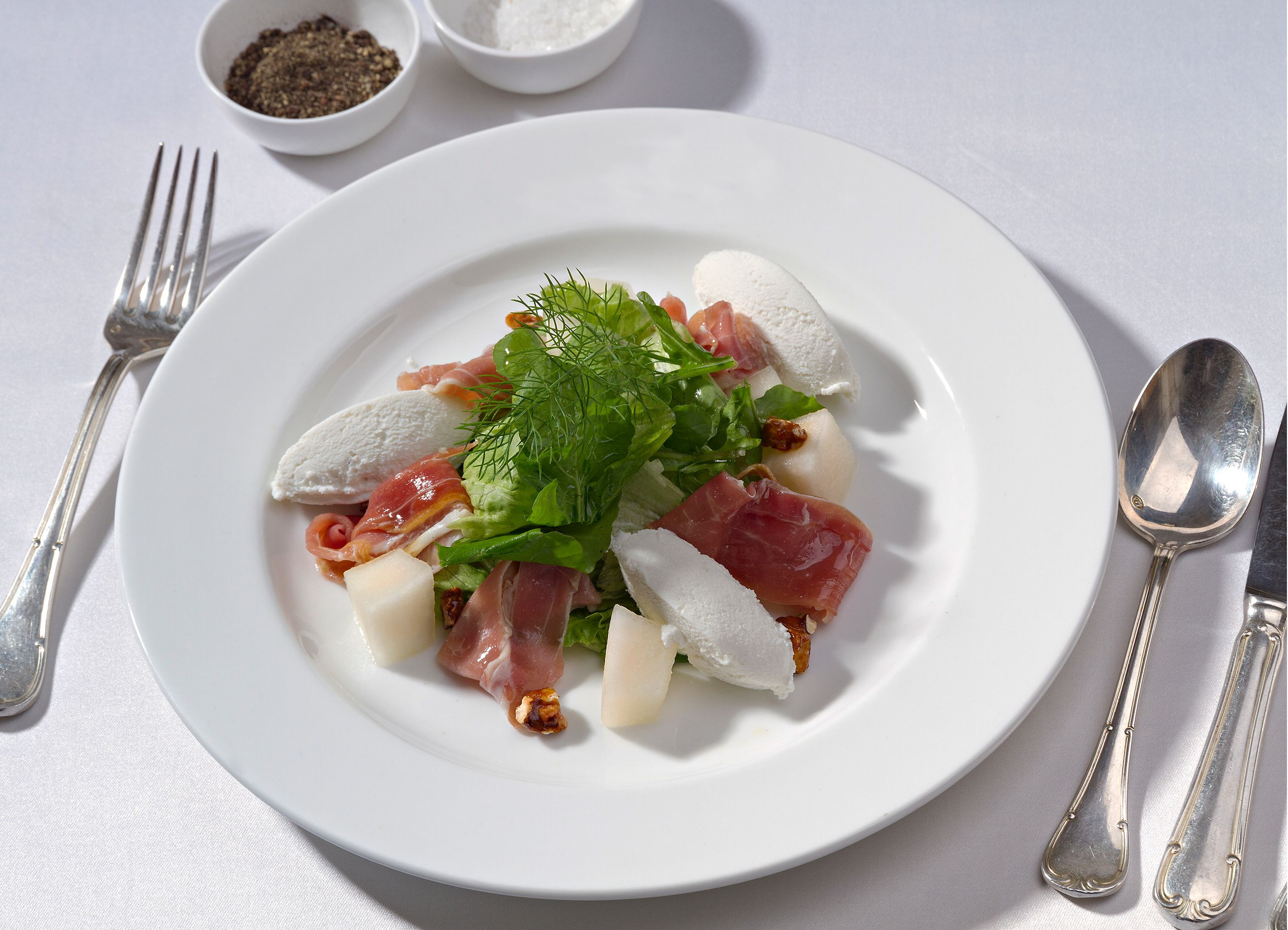
If you are planning to order restaurant food, consider dining at the restaurant instead. Food delivery can sometimes include delivery fees, service charges, or minimum order requirements.
Dining out allows you to order what you actually want while also enjoying quality time with your family and avoiding the mess at home.
Final Thoughts
Saving money is about making a commitment and making better choices through small changes in the way you manage your money. When you continue following these practices, they can gradually become habits, making it easier to make thoughtful spending choices without having to think about them too much.
Everyone may have a different approach to saving that works for them. What has worked well for you? Share your favourite money-saving tips in the comments below.
A Gentle Closing Note
There is always more to explore when it comes to living simply and mindfully. I look forward to sharing more with you in my upcoming articles.
In the meantime, feel free to check out the Home page. It’s where I gather everything from book reviews, self-care, simple joys, Smart spending , spiritual reflections to organization hacks and Time management, —basically all the little things that help us spend time mindfully and find more joy in the everyday.
If these ideas were helpful, feel free to share the article or subscribe to stay connected.
I really appreciate you sticking with me until the end. Until next time, stay well and keep learning.
Related Posts