Do you sometimes feel that keeping your home clean and organised takes up too much of your time?
With work, personal commitments and everyday responsibilities, finding time for household chores isn't always easy.
But here's the thing. You don't have to spend hours cleaning every day to keep your home tidy. A simple routine that fits around your lifestyle can make a difference. And instead of spending your entire weekend catching up on chores, you can enjoy more time with your family and friends.
So, here are 15 practical cleaning and organising tips you can try at home.
1. Done Is Better Than Perfect
You can make household chores more manageable by focusing on a small task at a time. Even completing something simple can make your home feel a little tidier.
Maybe you have a few minutes to clear the kitchen counter, fold some laundry or organise a messy drawer. That's fine. Do what you can with the time and energy you have.
And remember, a comfortable home is one that works for you and your family. Appreciate what you've managed to finish and feel good about the progress you're making.
2. Keep Your Microwave Clean
Have you ever opened your microwave and noticed food splashes all over the inside?
One simple way to prevent this is to cover your food while heating it. Use a microwave-safe cover or a vented lid, leaving space for steam to escape. An airtight container can build up pressure, so it's best to avoid sealing it completely.
Also, choose suitable containers, avoiding metal, aluminium foil and single-use plastics that aren't approved for microwave use.
Try not to overfill your bowls, as food can bubble over while heating. You could also place a plate underneath to catch any spills, making sure it's safe to use.
If you're heating food for longer, pause halfway through and give it a stir so it warms more evenly. Just be careful when lifting the cover, as the steam can be very hot.
3. Try Spot Cleaning
Sometimes, you notice a small mark somewhere in your home but leave it until your next cleaning day.
Instead, why not deal with it when you see it?
It could be fingerprints on cupboard doors, a light stain on the countertop or a faint mark on your bathroom mirror. These little things usually take only a moment to clean.
Spray a suitable cleaner onto the affected area and gently wipe it with a microfibre cloth. Dry the surface afterwards, and always check that the cleaning product is safe for the material.
4. Check Your Cleaning Supplies
When was the last time you checked the condition of your cleaning tools?
Sponges, mops and cleaning cloths can collect grease and dirt over time. If they're not cleaned properly, you may end up spreading that grime onto other surfaces.
Wash reusable tools regularly and allow them to dry completely in a well-ventilated area.
It's also worth checking your broom bristles, mop heads and vacuum filters. Worn or clogged parts can make cleaning harder than it needs to be.
Sometimes, all that's needed is a good clean or a small repair.
5. Declutter Your Cutlery and Crockery
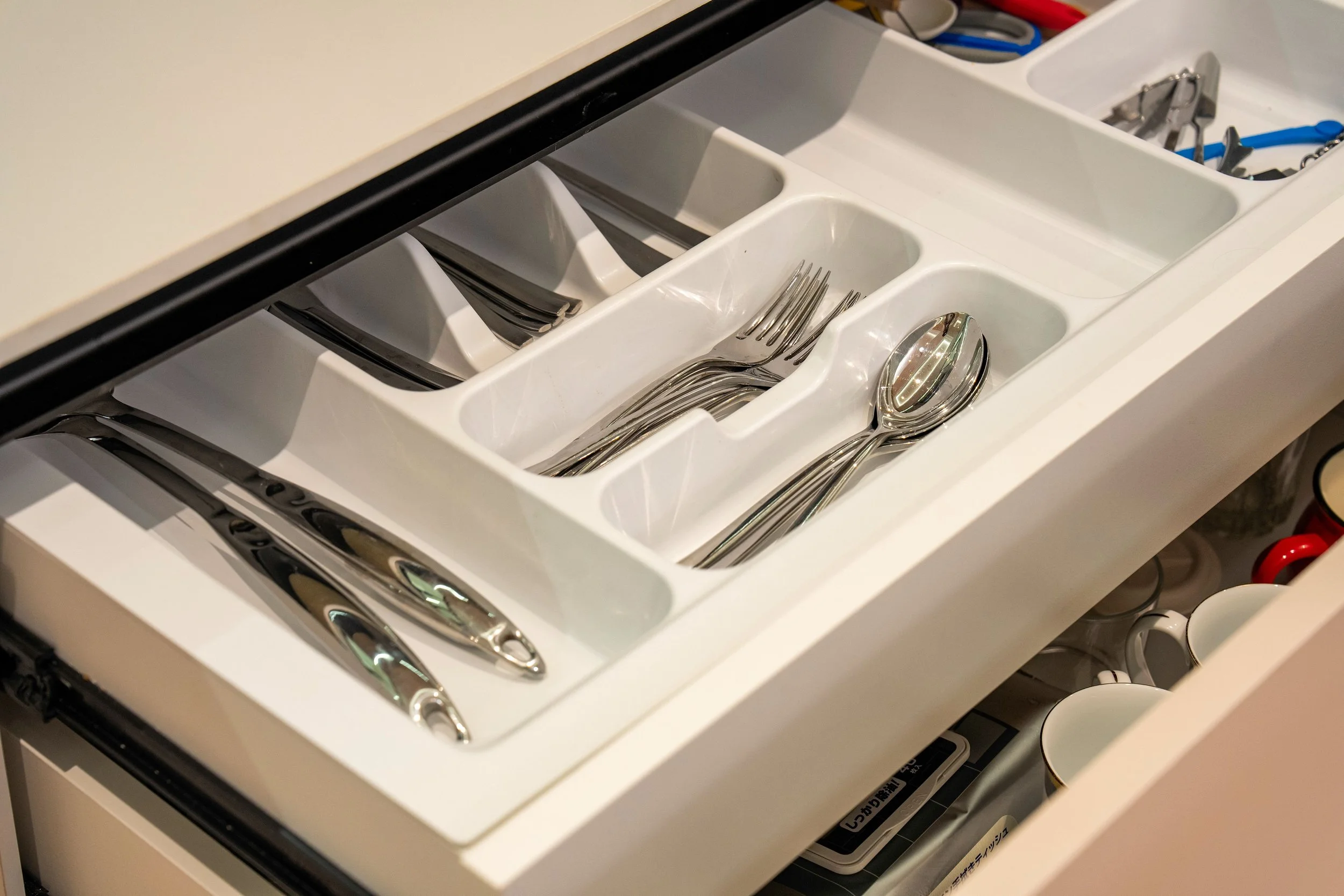
Open your kitchen cupboards and drawers. Are there any plates, mugs or bowls you haven't used for months?
It's easy to keep collecting these things without realising how much space they're taking up.
Keep the items you use regularly, along with a few extras for guests, and consider donating anything you no longer need that's still in good condition.
Chipped dishes, cracked bowls and broken utensils are better disposed of safely to avoid possible injuries.
With your cupboards better organised, you'll find it easier to reach what you need. And when it's time to clean the shelves, there'll be less to take out and put back.
6. Make the Most of Multipurpose Furniture
If you have limited storage space, furniture that serves more than one purpose can be useful.
For example, a storage ottoman, a bean bag with a built-in compartment or a bed with drawers can give you extra room for blankets, clothing and other belongings.
You can keep these items tucked away instead of leaving them around the room.
A sofa bed may come in handy when guests stay overnight, while an extendable dining table gives you extra seating when you need it.
It's worth thinking about how you use each room before choosing furniture, especially when space is limited.
7. Air-Dry Your Clothes Properly
Air-drying is a gentle way to care for your clothes, particularly delicate fabrics.
When hanging laundry on a clothes airer, leave some space between the garments. This allows air to circulate and helps everything dry more evenly.
Spread out thicker items, such as towels and sweaters, across two lines to help them dry properly.
Compared with frequent tumble drying, air-drying can reduce heat-related shrinkage and wear. That may help your clothes stay in good condition for longer.
One thing to remember: always check that your laundry is completely dry before putting it away. Damp clothing can develop unpleasant smells and encourage mould growth.
8. Consider Going Rug-Free
Rugs can make a room feel cosy. But they also need regular attention, especially in places where people eat, walk or play.
Think about the crumbs that fall during meals or those occasional drink spills. Cleaning them from fabric can take more effort than wiping a bare surface.
Wood, tiles and laminate are generally easier to sweep or mop.
Going rug-free can also reduce places where dust, pollen and pet hair collect. This may be helpful if you have pets or allergies, although regular cleaning is still important.
And with more open space, you have greater flexibility for indoor exercise, stretching or moving furniture. Children can also enjoy playing freely without the risk of slipping on a mat.
9. Avoid Overloading Your Dishwasher
It's tempting to squeeze a few extra plates into the dishwasher, especially when there's a pile of washing-up waiting.
But when dishes are packed too closely together, water and detergent may struggle to reach every surface. You might open the dishwasher after a full cycle and still find food residue on your plates or bowls.
Sometimes, even the detergent tablet may not dissolve properly.
If this happens, the problem could be how the dishes are arranged rather than the detergent itself.
Next time, leave enough space between items and check that the spray arms can turn freely. A little care when loading can save you from having to wash things again.
10. Take Care of Your Kettle
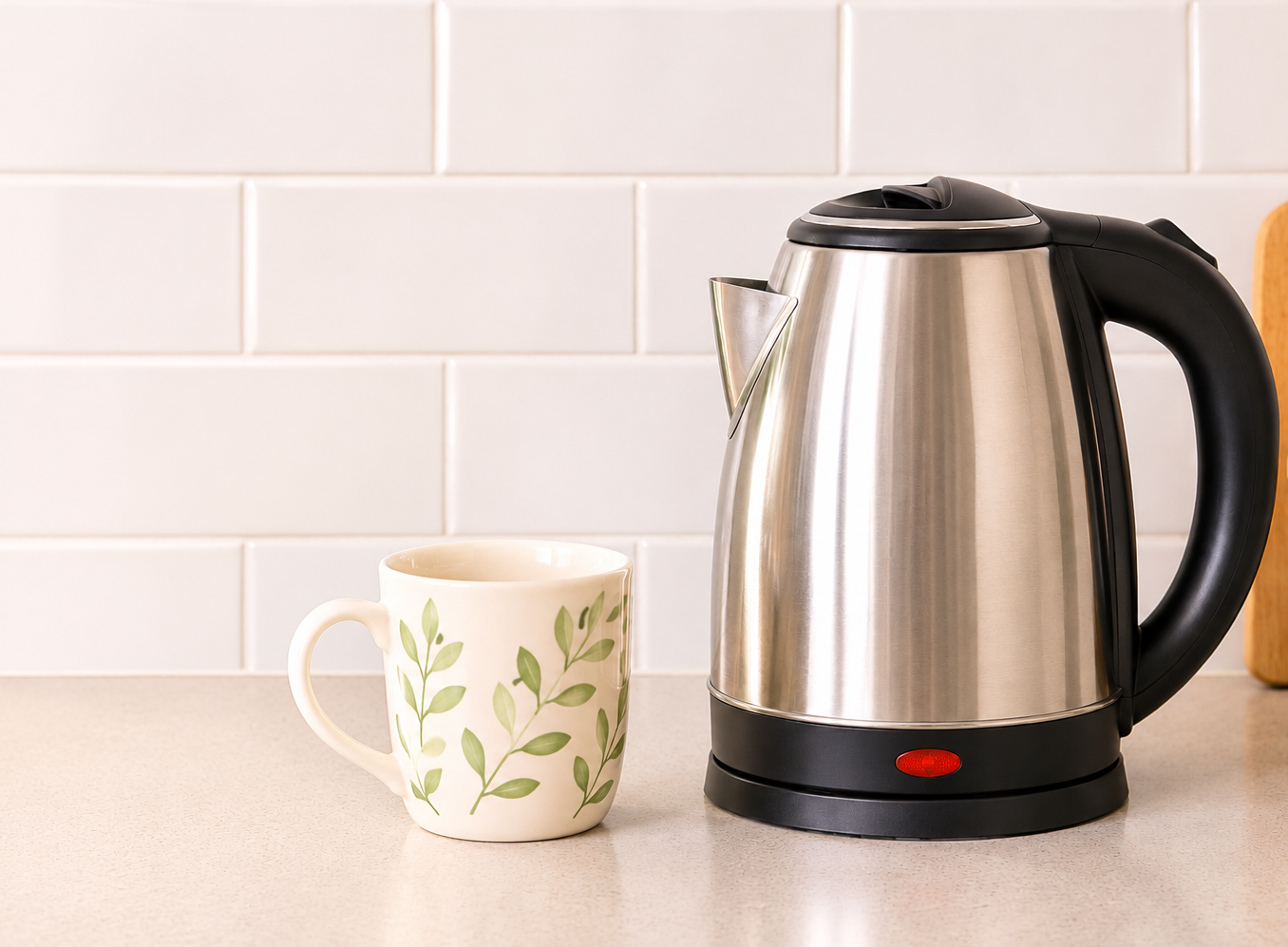
Clean your kettle regularly to prevent limescale from building up. You can use lemon juice or a descaling product suitable for kettles, following the manufacturer's instructions.
And if you're planning to buy a new kettle, there are a few features worth considering.
A stainless steel kettle without a painted exterior may be a better choice, as the coating can peel off over time.
You could also choose one with adjustable temperature settings. This allows you to heat water to your preferred temperature without bringing it to a full boil every time, which may save time and energy.
Some kettles even have a keep-warm feature, so the water stays at the selected temperature for a while. Quite handy when you need it again soon.
11. Keep Your Cords Organised
Loose electrical cords can quickly make a room look messy. They can also get in the way when you're sweeping or mopping.
Try using cable organisers such as reusable Velcro straps, cable clips, sleeves, under-desk trays or cable management boxes.
Depending on your setup, you can secure cables behind furniture, lift power strips off the floor or conceal bulky adapters.
Another useful habit is labelling your chargers. This makes it easier to identify which device each one belongs to, especially when you have several cables together.
Try not to wrap cables too tightly, and avoid bending or stretching them. Make sure your electrical equipment has enough ventilation to prevent overheating.
12. Keep a Decluttering Box in Sight
Have you ever put something away because you thought you might need it someday, only to forget about it completely?
It happens easily. Unwanted belongings end up inside cupboards, under beds or on top of shelves, taking up space for months.
A simple idea is to keep a decluttering box somewhere visible and convenient.
Whenever you come across an item you no longer use, pop it into the box. Then, every so often, take a few minutes to go through what's inside.
You might find belongings worth donating, materials that can be recycled or broken items that need to be disposed of safely. You could also sell anything that's still in good condition and earn a little extra money.
13. Keep Your Induction Hob Clean
Food spills and grease can build up on your induction hob, especially when they're left for too long.
Always allow the surface to cool completely before cleaning.
For everyday cleaning, you can mix equal parts white vinegar and water in a spray bottle. Spray a little onto the surface and wipe it with a soft microfibre cloth.
If you've had a greasy spill while cooking, warm water with a little washing-up liquid may be enough to remove the residue.
For more stubborn stains, you could try a small amount of baking soda and vinegar. Leave it for a few minutes, then wipe gently with a damp cloth.
And if burnt-on marks remain, an approved glass hob scraper may help. Once you've finished cleaning, dry the hob thoroughly with a soft cloth.
Always check the manufacturer's instructions before trying these cleaning methods to avoid damaging the surface.
14. Avoid Overfilling Your Cupboards and Wardrobe
When your cupboards and wardrobe are packed full, even finding one item can become frustrating.
You know how it goes. The thing you need is right at the back, behind everything else.
Try keeping the belongings you use regularly, along with a few essentials you may need occasionally.
Arrange them so there's enough room to see and reach what you need without pulling everything out.
It also becomes much easier to put things back where they belong afterwards.
15. Declutter Your Bookshelf
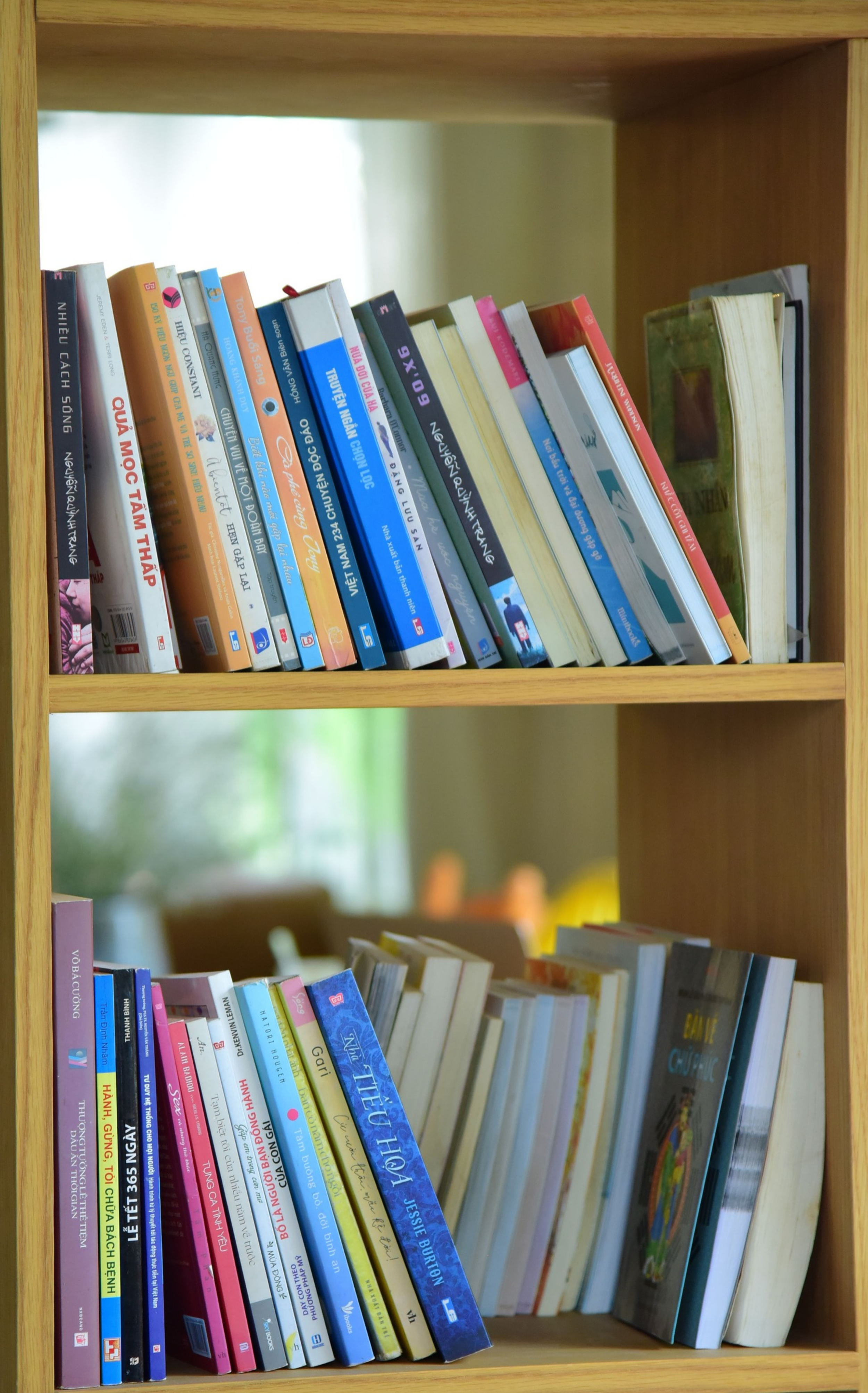
If you enjoy reading, you may have collected quite a few books over the years.
Some might be favourites you'll happily read again. Others may have been sitting untouched since the day you finished them.
Every now and then, take a look through your collection and decide which ones you'd really like to keep.
You could donate books that are still in good condition to charity shops, libraries that accept donations or community book exchanges.
It's a lovely way to give someone else the chance to enjoy a book you've already read. And you'll have a little more room on your shelves for new ones.
Final Thoughts
Every home is different, so choose the cleaning and organising tips that feel right for yours. You don't have to try everything at once. Start with a few, see how they work for you and gradually make them part of your routine.
And here's something worth remembering. The fewer unnecessary things you keep, the less you'll have to dust, organise and put away.
At the end of the day, it's about creating a clean, comfortable and welcoming space where you and your family can feel relaxed and happy.
Which of these tips would you like to try first? Feel free to share your thoughts in the comments below.
A Gentle Closing Note
There is always more to explore when it comes to living simply and mindfully. I look forward to sharing more with you in my upcoming articles.
In the meantime, feel free to check out the Home page. It’s where I gather everything from book reviews, self-care, simple joys, Smart spending , spiritual reflections to organization hacks and Time management, —basically all the little things that help us spend time mindfully and find more joy in the everyday.
If these ideas were helpful, feel free to share the article or subscribe to stay connected.
I really appreciate you sticking with me until the end. Until next time, stay well and keep learning.
Related Posts