Shifting Our Perspective: What The Montessori Toddler Really Teaches Us
Most of us start the toddler years thinking our job is to “manage” or “control” the chaos. But after diving into Simone Davies’ The Montessori Toddler, it becomes clear that this stage of life isn’t a battle to be won—it’s a stage to guide with a lot of respect and even more patience.
This book is full of so many great tips, and I truly loved reading it. In this post, I’m simply sharing a small glimpse of how the Montessori approach can work in real everyday toddler life.
1. Toddlers live in the present moment
Simone reminds us that toddlers focus only on what is happening right now. They respond immediately to their current feelings.
As parents, we can support them best by staying calm and helping them feel safe in that exact moment rather than rushing them to the next thing.
2. Help me to help myself
One of the core Montessori principles is that toddlers learn best when they have the chance to be independent.
The book encourages us to show them how to do a task, give them time to try, and only step in with "just enough" support. This builds their confidence and real-world skills.
3. Give feedback Instead of constant praise like "good job,"
Simone suggests noticing and describing what the toddler is actually doing. Using words like, "You carried your plate carefully," helps them understand their own effort and build internal pride.
4. Toddlers are curious learners
The book explains that toddlers aren't being "naughty"; they are just exploring the world through movement and touch. Instead of seeing curiosity as mischief, we can view it as learning and create a safe space where they can explore freely.
5. Be friendly about mistakes
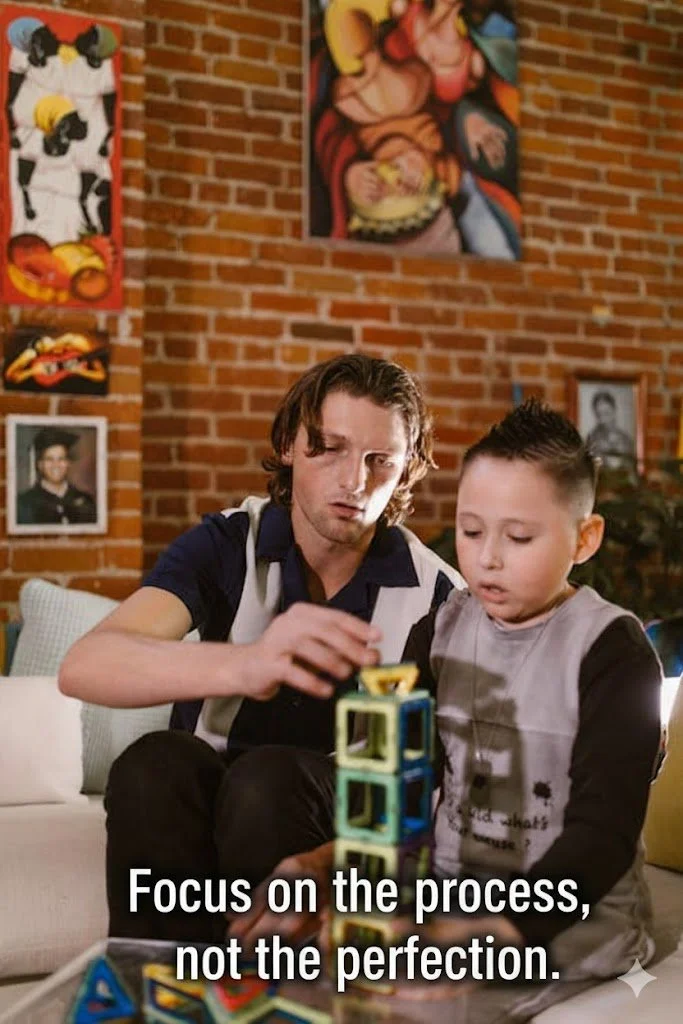
Simone emphasizes that mistakes are a normal part of learning. The book reminds us not to shame or scold for small errors, but to stay calm and gently guide them to try again. This makes them feel safe enough to keep practicing.
6. Allow all feelings, but not all behavior
It’s okay for toddlers to feel frustrated or upset—emotions are normal. However, Davies reminds us that we must still set clear limits on behavior (like no hitting). This teaches them that while their feelings are accepted, their actions must be respectful.
7.Stay in Charge, Give Them Simple Choices
The child is not in charge, but they have input into solving the problem. The book encourages involving them in solutions by offering simple choices, which reduces power struggles while the adult remains in the lead.
8. Use positive language
A big takeaway for me was telling toddlers what they can do instead of what they shouldn't. For example, saying "Walk slowly" instead of "Don't run." Simone explains that positive language helps them understand expectations much more clearly.
9. Calm the toddler before teaching
A child cannot reason or listen when they are overwhelmed by big emotions. Our first step is to help them calm down. Once they are settled, we can finally talk about what happened and guide them.
10. A moment of care is a moment of connection
Davies redefines daily tasks like feeding or dressing as opportunities to build trust. When we slow down and give our full attention during these routines, the child feels loved and secure rather than just being "managed."

11. Brush teeth together
Because toddlers learn by watching and copying, Simone suggests brushing our teeth alongside them. It makes the routine clear and meaningful, turning a potential battle into a shared daily habit.
12. Less is more
The book explains that toddlers focus better when their environment is simple. By offering only a few activities at a time, we help them concentrate more deeply and make it easier for them to learn how to tidy up afterward.
13. Learn your child’s unique development
Every child grows at their own pace. Simone encourages parents to observe their child’s specific interests and challenges instead of comparing them to others. This helps us set realistic expectations that actually fit our child.
14. Watch how we talk with our family
Toddlers are like sponges; they absorb how we speak and behave with others. The book reminds us that when we communicate with respect and kindness toward our partner or family, our children naturally model that same behavior.
15. Planting the seeds for the future
Finally, Simone reminds us that Montessori parenting isn't about quick results. It’s about the small, daily habits that shape a responsible and curious human being over time. We are building the foundation for the adult they will become.

Final Thoughts
The Montessori Toddler really encourages us to slow down and see things in a new way. Simone Davies reminds us that toddlers aren’t trying to make life hard—they’re just learning how to live and handle big feelings.
What I loved is how practical it is for daily life, so if you want a calmer way to parent, it’s definitely worth a read.
There is always more to explore when it comes to living simply and mindfully. I look forward to sharing more with you in my upcoming articles.
In the meantime, feel free to check out the Home page. It’s where I gather everything from book reviews, self-care, simple joys, Smart spending , spiritual reflections to organization hacks and Time management, —basically all the little things that help us spend time mindfully and find more joy in the everyday.
If these ideas were helpful, feel free to share the article or subscribe to stay connected. I always value your thoughts and feedback, so please don't hesitate to reach out.
I really appreciate you sticking with me until the end. Until next time, stay well and keep learning.
Related Posts