17 Simple Yet Powerful Practices for Enhanced Life Quality
Mindful living is not about perfection, but about gentle progress.
Small mindful choices can make a big difference in how we feel and how we connect with others. The way we use our time, manage our emotions, care for our surroundings, and treat the people around us all shape our well-being.
By becoming more aware of our habits and making gentle, intentional changes, we can create a calmer, happier, and more balanced life. The following simple practices are easy to follow and can be gradually included in everyday routines to support mindful living.
1. Mindful Phone Etiquette
Staying present during social moments allows us to fully enjoy and value the time we share with others. Frequently checking our phone during a get-together or meet-up can feel impolite and distracting.
Engaging fully with the people around us shows respect and appreciation for the time spent together.
2. Happiness at Home
A person’s emotional state can strongly affect their family at home. When we feel stressed or upset, our mood can influence the people around us, making them feel tense, worried, or less motivated.
Staying calm and positive, even during challenges, helps create a more supportive and peaceful home environment for everyone.
3. Reducing Food Waste

It’s important to be mindful of our eating habits, especially at restaurants or social gatherings where there is plenty of food. Trying small portions helps prevent overeating and food waste.
Some foods are more filling than others, so choosing wisely can help us feel satisfied while avoiding waste.
4. Avoiding Comparisons
Comparing ourselves with others can create unnecessary stress and unhappiness. Every person is different. Instead of comparing, it is healthier to focus on our own personal growth and appreciate what we already have.
This helps us feel more content and at peace in our daily lives.
5. Digital Detox
Avoiding checking our phone after waking up can help us feel better. Checking our phone early in the morning may expose us to upsetting or overly exciting news, which can affect our mood and focus for the day.
Staying away from our phone during this time helps us start the day calmly and with better concentration.
6. Daily Balance
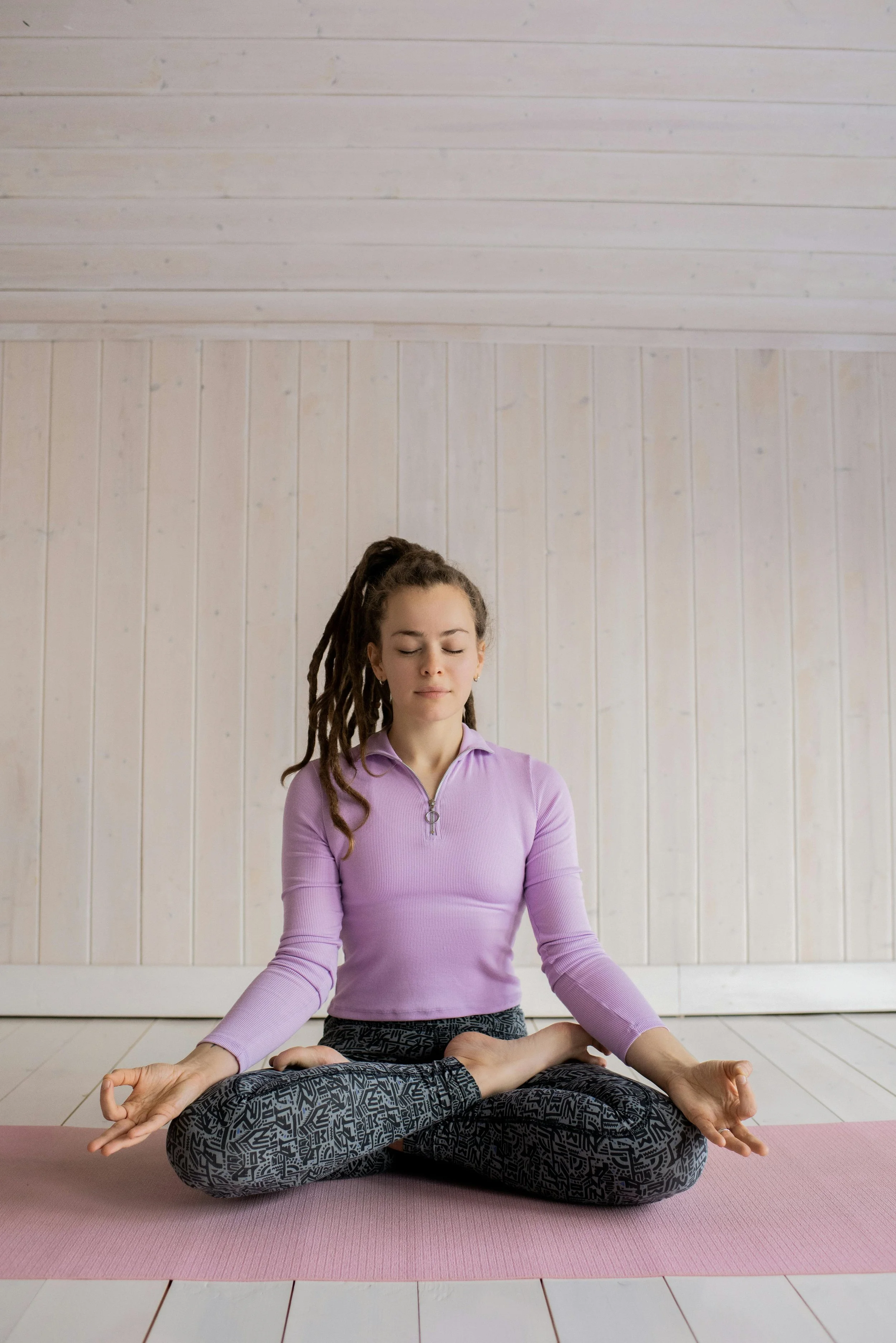
Prioritise tasks based on our energy levels. We usually feel most energetic in the morning, so we can start our day with yoga, meditation, journaling, and spiritual practices.
By midday, when our energy drops, we can switch to gentle activities like walking or other refreshing activities that help us recharge and stay active, depending on each individual’s work schedule and daily routine.
Aligning tasks with our energy makes our day feel calmer and more productive.
7. Mindful Décor

Our environment affects how we feel. When we surround ourselves with things that bring joy—like plants, calming music, or a tidy space—we feel more relaxed.
These small comforts help us stay calm, especially during busy or stressful moments.
8. Efficient Transition
When we are unable to finish a task on time, we can note our progress and plan where to continue later. This helps us avoid frustration, reduces anxiety about unfinished work, and makes it easier to focus when we return to the task.
9. Well-being Choices

Understanding what makes us unhappy helps us avoid things that change our mood in a negative way. For example, watching too much social media or having unhealthy eating habits can disturb our peace.
When we become aware of these patterns, we can make better choices and take better care of our well-being.
10. Task Management
Focusing on one task at a time helps us work with better quality and less stress. By giving our full attention to one task, we reduce mistakes, stay calm, and complete our work more efficiently, leading to a stronger sense of accomplishment.
11. Posture Benefits
Maintaining good posture, such as keeping our back straight, helps support our health and improves focus and productivity. It reduces stress and increases energy.
Although it may feel difficult at first, good posture becomes easier with practice. When we notice ourselves slouching, gently correcting our posture can help us feel more alert and confident.
12. Supportive Silence
Speaking is important, but staying quiet at the right time can be even more helpful. Silence gives us time to think, listen to others, and avoid saying things we may regret.
Being calm and quiet in certain situations can prevent problems and show maturity and wisdom.
13. Slow Success
Even small progress is better than no progress at all. Taking slow, steady steps helps us move forward, build confidence, and improve over time. What matters most is continuing the journey, even when progress feels gradual.
14. Value Preservation

Caring for our belongings reflects gratitude and responsibility for what we own. When we look after our things properly, they stay in good condition and last longer.
This simple habit helps us save money by avoiding frequent repairs or replacements. It also encourages mindful living, reduces waste, and reminds us to value and respect the resources we use every day.
15. Mindful Hobbies
Taking time for self-care is important. Doing activities we enjoy—such as reading, walking, painting, or singing—can support our mental well-being.
It doesn’t matter if we do them perfectly; what matters is that they bring us joy. Even spending a few minutes each day on something we like can create a positive change over time.
16. Daily Nurturing
Caring for something teaches us patience and responsibility. Regular care helps us become more consistent and attentive, while also allowing us to slow down and appreciate growth over time.
For example, caring for indoor plants and watching them grow reminds us that with steady effort, we grow too.
17. Kind Beginnings
When sending a message to someone in our close circle, beginning with a positive line such as “God bless you” or “May God bless you and your family always” creates a warm and caring tone.
It expresses goodwill and makes the message feel more heartfelt, helping the other person feel valued and supported. Such small gestures can deepen connections and spread positivity in everyday communication.
We are all growing and learning at our own pace. There is no need to practice everything at once—even choosing one small habit and slowly adding others can make a difference.
It may take time to bring mindful practices into daily life, especially in the beginning, but with patience and consistency, they become easier and more natural. Every small step matters and contributes to a calmer, more balanced life.
I hope you enjoyed reading this and found a few ideas that resonate with you. Feel free to pick what feels right for you and practice it in your own time. Stay tuned for more mindful reflections and gentle practices.
Please visit My Insights for self-care tips, simple joys, money-saving ideas, spiritual reflections, home organization, time-saving hacks, and book reviews.
If you found this article helpful, please share it and consider subscribing to stay connected. Your feedback is always welcome.
Your engagement till the end is truly appreciated. Until next time, stay well and keep learning.
Related Posts