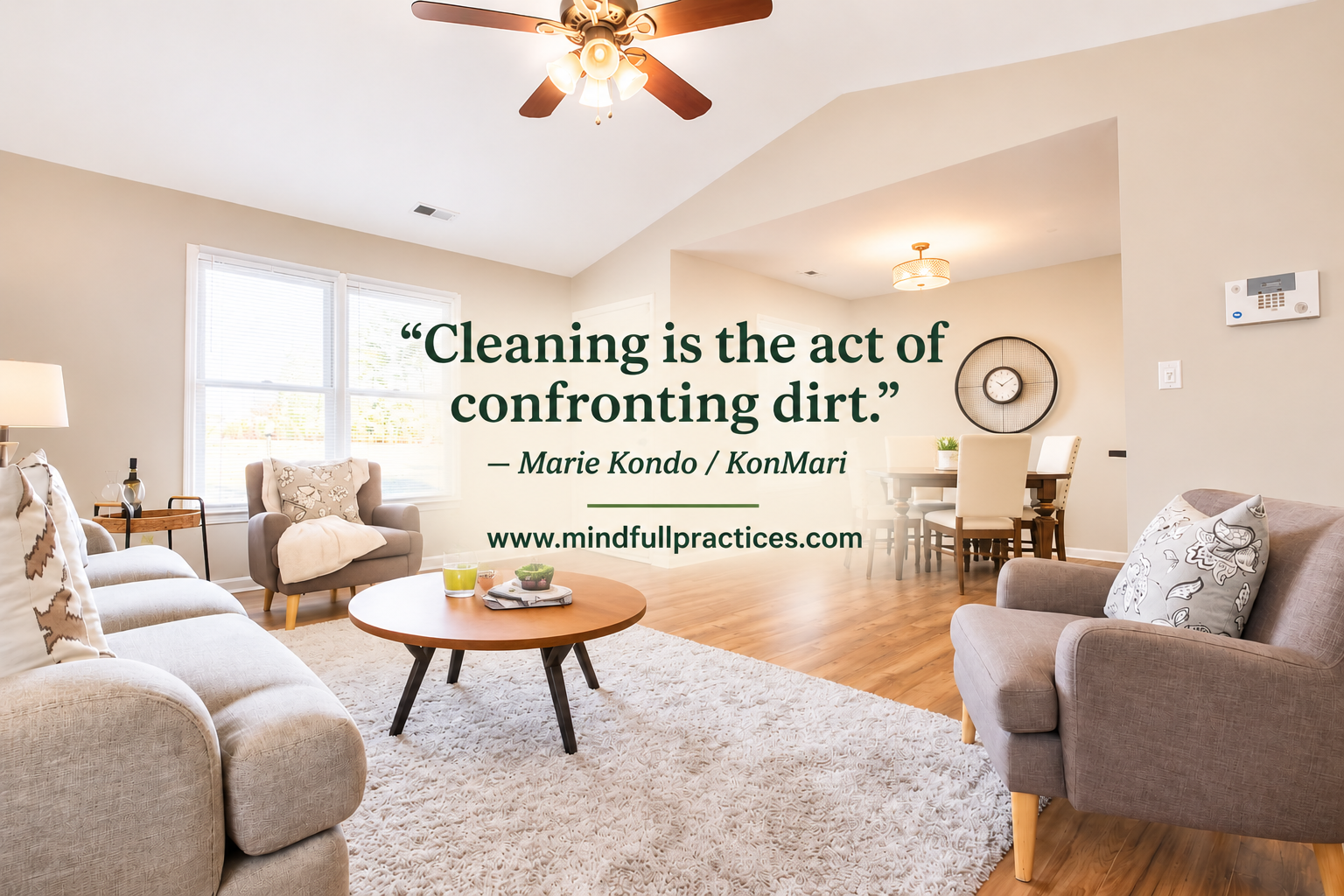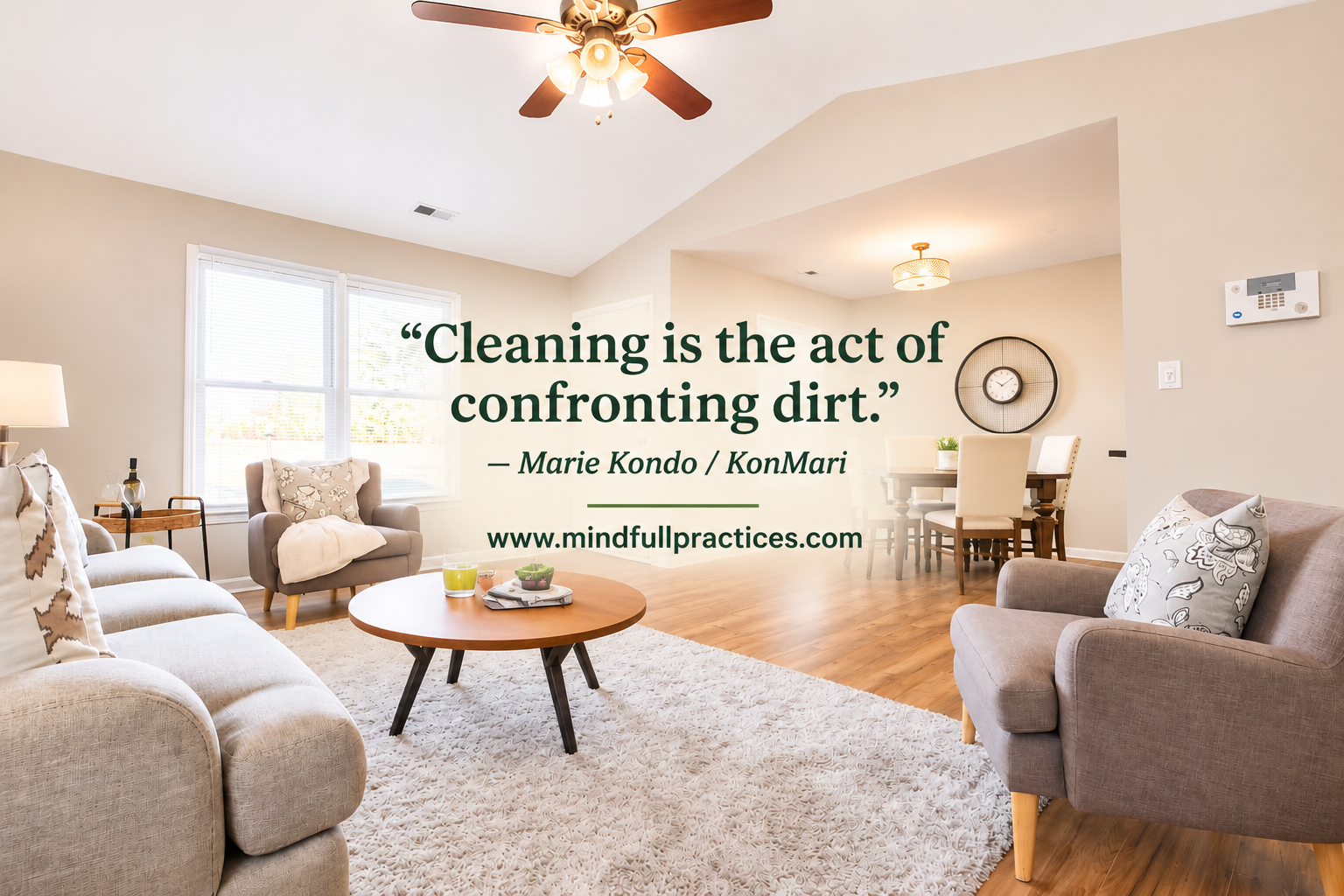
Have you ever spent hours cleaning, only to find yourself doing the same things again the next day? It can be frustrating, especially when you have so many other things to take care of.
Between work, family, cooking and other daily responsibilities, finding enough time for cleaning and organising isn't always easy.
Still, a clean and organised home can make everyday life feel more comfortable and enjoyable.
It's also worth remembering that every home and family is different. What works for one household may not work for another. Rather than aiming for perfection, you can focus on small, realistic improvements that suit your routine and available space.
In this article, you'll discover 15 practical cleaning and organising tips to help make everyday home living easier, giving you more time to enjoy the things that matter most.
1. A Few Essential Kitchen Knives
For most everyday cooking, a few essential knives can handle plenty of tasks, depending on what you chop and how frequently you use them.
A chef's knife is useful for chopping vegetables, fruits and herbs, while a small paring knife works well for peeling and smaller, more delicate jobs.
A serrated bread knife is handy for slicing crusty bread without crushing the soft middle. You can also use it for cakes, croissants, tomatoes and other soft foods that are difficult to cut neatly.
A carving knife works well for cutting thin, even slices of cooked meat and other large foods.
When it comes to storage, a knife organiser or blade guards can help you store your knives safely and neatly.
2. Keep Your Kitchen Countertop Organised
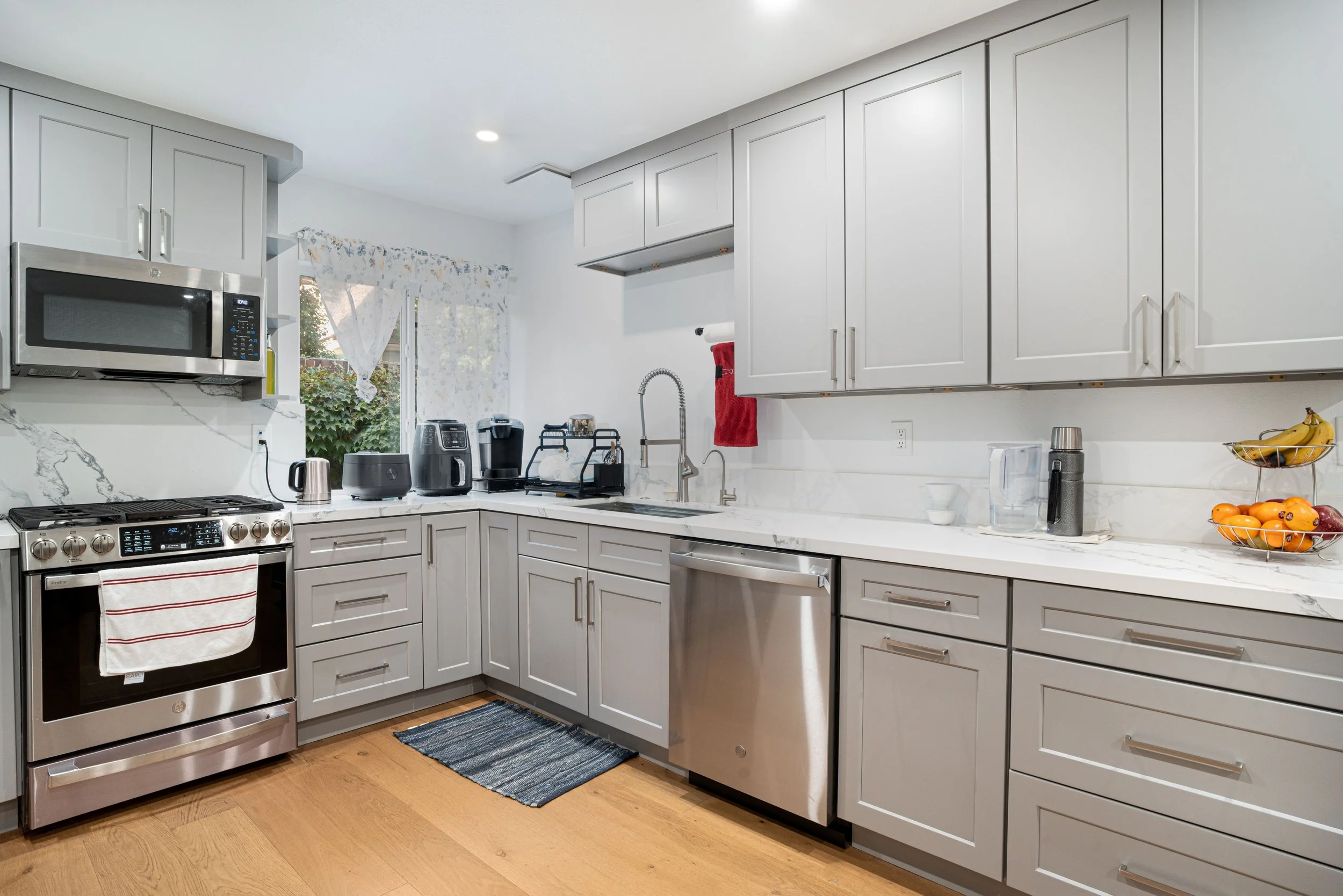
A kitchen feels much easier to work in when you have enough room to prepare food without constantly moving things around.
Take a look at what's sitting on your countertop. Do you use all these items every day? If not, some of those items could probably go into a cupboard or another storage space.
Keep everyday appliances, such as your kettle, coffee machine and microwave, where they're convenient to use.
Having your chopping boards, frequently used spices and cooking utensils organised can make them easier to find while keeping your countertop tidy.
A small sink caddy can help organise your washing-up liquid, sponge and scrubber, keeping everything together for cleaning dishes and the sink.
After cooking, put things back and give the countertop a quick wipe.
3. Choose Closed Storage Cabinets
Sometimes, even when everything is organised, having too many belongings on display can make a room feel busy. That's where closed storage cabinets come in handy.
Cabinets with doors allow you to store everyday belongings out of sight while protecting them from dust and sunlight. They can also reduce the amount of exposed shelving you need to clean.
There are different options depending on your space.
Low cabinets and sideboards provide extra storage while offering a surface for decorative items.
Glass-fronted cabinets are useful when you want to display a collection while keeping it protected.
For narrow hallways, a slim shoe cabinet can be a practical choice.
Filing cabinets help keep paperwork together, while moisture-resistant cabinets are better suited to bathrooms.
If you have children, lockable cabinets are particularly useful for storing medicines, cleaning products and other potentially harmful items securely and out of children's reach.
4. Choose an Induction Hob for Better Performance
If you're planning to replace your cooking hob, an induction hob is worth considering. It uses magnetic energy to heat suitable cookware directly, allowing pans to heat up quickly and respond rapidly when you adjust the temperature. It's also generally energy-efficient.
Cleaning is another advantage. The glass surface around the pan generally stays cooler, so spills are less likely to burn onto it. However, the area directly beneath a hot pan can still become very hot, so it's important to be careful.
Many induction hobs also include safety features such as pan detection and automatic shut-off. They require cookware with a magnetic base, such as certain stainless steel, cast iron or enamelled pans.
Place a fridge magnet against the bottom of your pan. If it sticks firmly, the pan will usually work on an induction hob.
5. Organise Your Wardrobe According to the Season
When the weather changes, your wardrobe needs a little attention too.
Keep the clothes you're currently wearing within easy reach and move off-season items into separate storage.
Before rearranging everything, take some time to sort through your clothes. Try on anything you're unsure about to check whether it still fits comfortably, and set aside pieces you no longer wear or need to replace.
Make sure off-season clothes are clean and completely dry before putting them away. Suitable storage bags or containers can help protect them from dust and moisture. Label the boxes if you're using several.
For your everyday wardrobe, arrange clothes in a way that makes sense to you. It could be by category, colour or how often you wear them.
The right hangers can help as well. Slim velvet hangers save space and stop clothes slipping, wooden hangers support heavier coats, clip hangers hold trousers and skirts, and padded hangers are gentler on delicate fabrics.
Drawer organisers and shelf dividers can be useful for smaller items.
6. Empty Household Bins Regularly
Keeping household bins clean and fresh helps prevent unpleasant odours, leaking bags and unwanted pests. Emptying them before they become too full also helps prevent overflowing rubbish.
Kitchen bins are worth checking every day, particularly when they contain food scraps.
Bathroom and bedroom bins can usually be checked according to how quickly they fill up.
Use suitable bin liners, keep lids closed and clean the bins regularly with warm water and an appropriate cleaning product. A little baking soda at the bottom of a clean, dry bin may also help absorb lingering odours.
Keep recyclable materials separate from general rubbish.
7. Choose Easy-to-Maintain Upholstery

Choosing durable, stain-resistant upholstery is particularly helpful in homes with children or pets, where spills and stains are common, and can help keep your furniture looking good for longer.
| Material | Cleaning and maintenance | Things to consider |
|---|---|---|
| Microfibre and polyester | Spot-clean spills promptly using a suitable cleaning method. | Generally durable and stain-resistant, although performance varies by fabric. |
| Leather | Wipe gently with a soft cloth and use a suitable leather conditioner to help reduce dryness and cracking. | May develop scratches, dryness or cracks over time. |
| Vinyl and faux leather | Avoid abrasive cleaning and harsh chemicals. Wipe spills promptly with a soft, damp cloth and a suitable cleaner. | May peel or crack with ageing and frequent use. |
| Velvet | Use a soft brush or suitable upholstery attachment to remove hair and gently lift the pile. | May attract pet hair and develop flattened areas. |
| Chenille | Vacuum gently with an upholstery attachment and avoid pulling loose threads. | Looped threads may collect dust or snag on pets' claws. |
| Bouclé | Vacuum gently with a suitable attachment and carefully remove trapped debris without pulling the loops. | Textured loops may trap dirt and pet hair or snag. |
Colour makes a difference as well. Darker shades and patterned fabrics can disguise minor marks, while lighter colours tend to show dirt more easily.
Before buying, check the manufacturer's cleaning instructions and consider ordering fabric samples. Seeing and feeling the material at home can make the decision a little easier.
8. Focus on One Cleaning Task at a Time
Have you ever started cleaning one room, noticed something that belongs elsewhere and ended up doing three different chores without finishing the first one?
It happens easily, especially when there's a lot to do around the house.
Instead of jumping between jobs, try focusing on one cleaning task at a time. You could dust the rooms first, finish the vacuuming or concentrate on cleaning one particular room before moving on.
A simple checklist can help you decide what needs attention. Think about your weekly schedule and choose a realistic amount of time for each job. Even 15 to 30 minutes can be useful when you know what you want to accomplish.
If a task feels too big, break it into smaller parts and spread them across a few days.
Before you begin, gather the cleaning supplies you'll need. You could also set a timer and put your phone aside for a while if you find yourself getting distracted.
9. Make Your Bed Every Morning
Spending a few minutes making your bed can give you a sense of accomplishment and encourage you to get on with other things.
A neatly made bed can also make the whole bedroom feel tidier and more welcoming. Even the simple movements of straightening sheets and arranging pillows can give you a quiet moment before your day gets busy.
Before making the bed, pull back the duvet and let the bedding air for a while. This allows some of the moisture from overnight sweating to evaporate.
Once it's aired, pull the fitted sheet taut at the corners and smooth out any wrinkles. Give your duvet a gentle shake to spread the filling evenly, then lay it neatly across the bed. Fluff your pillows and arrange them comfortably.
You can also open the curtains to let in some natural light, making your bedroom feel brighter.
10. Use Storage Hooks to Keep Your Home Organised
Storage hooks are useful for keeping everyday belongings off the floor and within easy reach. They can be used in almost every room of the house.
Where to Use Storage Hooks
| Area | What to hang | Benefits and practical tips |
|---|---|---|
| Kitchen | Cooking utensils, oven gloves and cleaning brushes. | Hooks can be fitted inside cupboards or beneath the sink. Let cleaning brushes dry before storing them. |
| Hallway | Coats, hats, keys and bags. | Keep everyday belongings near the entrance. Child-height hooks can help children put away their own things. |
| Bathroom | Towels, bathrobes and shower accessories. | Choose moisture-resistant hooks and leave enough space between damp items to allow them to dry. |
| Bedroom and wardrobe | Scarves, belts, handbags and lightly worn clothes. | Offers a convenient place to hang clothes that can be worn again before washing. |
| Garage and utility room | Gardening tools, cables and cleaning equipment. | Position hooks near the areas where you use these items for easier access. |
Keep everyday belongings where you can reach them comfortably and reserve higher shelves for things you use less often.
Keep heavier items lower down, secure tall furniture to the wall and check the weight limits of shelves and racks. Make sure nothing blocks doors or walkways.
11. Make Use of Vertical Storage
Using the height of your walls can give you more storage without taking up extra floor space. This can be particularly helpful in smaller homes.
Vertical Storage Ideas for Your Home
| Storage option | Where to use it | Benefits and practical tips |
|---|---|---|
| Wall-mounted shelves | Living rooms, bedrooms, kitchens and home offices. | Floating shelves offer a simple appearance, while bracket shelves provide additional support for suitable loads. |
| Over-the-door organisers | Bedrooms, wardrobes, bathrooms and pantries. | Useful for shoes, scarves, hats and smaller belongings without drilling into walls. |
| Tall, narrow shelving units | Awkward corners and smaller rooms. | Adjustable shelves allow you to change the spacing as your storage needs change. |
| Wall-mounted folding furniture | Kitchens, home offices and laundry areas. | Foldable desks and tables provide a useful surface when needed and save space when not in use. |
| Ceiling-mounted racks | Kitchens and utility rooms with suitable ceiling height. | Securely fitted racks can hold cookware or provide additional drying space. |
Keep everyday belongings where you can reach them comfortably and reserve higher shelves for things you use less often.
Keep heavier items lower down, secure tall furniture to the wall and check the weight limits of shelves and racks. Make sure nothing blocks doors or walkways.
12. Keep Simple Cleaning Tools for Everyday Use
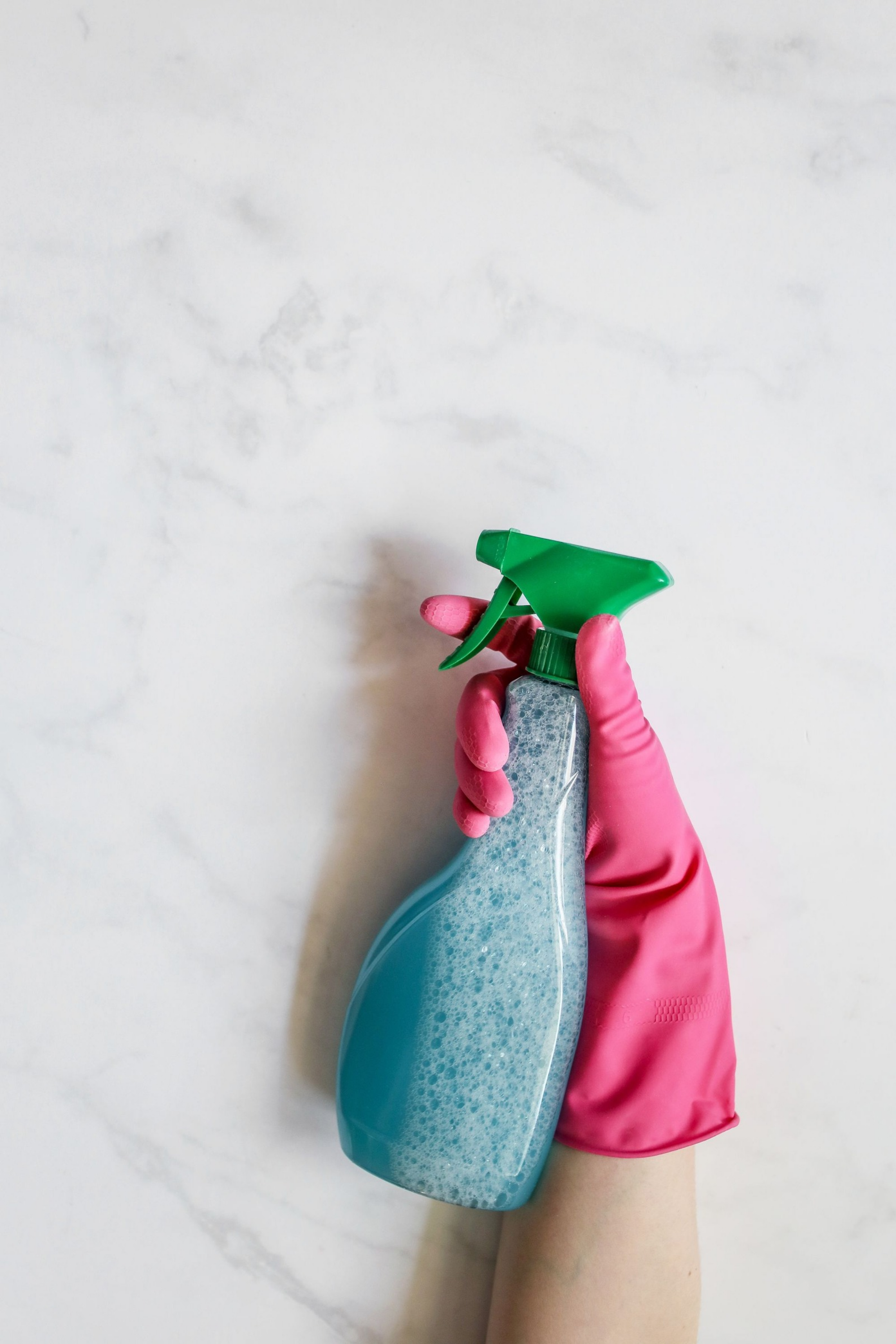
A few reliable, versatile cleaning tools can handle many everyday tasks.
Start with simple essentials such as microfibre cloths, a soft sponge, a scrubbing brush, a broom and a mop. A vacuum cleaner can also be useful, particularly for carpets and rugs.
Microfibre cloths are useful for dusting and wiping surfaces, while a scrubbing brush can help with more stubborn dirt.
A suitable multipurpose cleaner can be handy for several surfaces, although some materials need their own specific products. Always check the manufacturer's care instructions.
Keep your cleaning supplies in a designated place so they're easy to find when needed. Brooms and mops can be hung on wall hooks or stored in a cupboard if space allows. Just make sure mops are completely dry before putting them away in an enclosed space.
13. Clean Stains Quickly
Spills happen, but cleaning them quickly can prevent stubborn stains on clothes, carpets and furniture.
For liquid spills, gently blot the area with a clean, absorbent cloth without rubbing, as this can spread the stain. For solid spills, carefully remove any food particles before cleaning the remaining residue.
Cold or lukewarm water may help, depending on the material and type of spill. If you're cleaning stained clothes, make sure the mark has disappeared before tumble drying, as heat can make some stains harder to remove. If it remains, try a suitable stain remover or pre-treatment first.
Always check the care instructions before cleaning, as different materials may require different treatments.
14. Declutter Before Buying Storage Boxes
Before rushing to buy storage boxes, take a little time to go through your belongings. Sometimes, buying more containers just means finding another place to keep the clutter.
Start by grouping similar items together to spot duplicates and decide which ones are worth keeping. Along the way, you may discover empty drawers, shelves or storage boxes that you can reuse.
Once you've finished decluttering, measure the available space before buying anything new and choose containers that fit your remaining belongings.
15. Keep up with your laundry
Regular washing helps keep clothes fresh and clean by removing sweat, dirt and unpleasant smells, which also helps maintain good hygiene. How often they need washing depends on the fabric, how they're worn and how dirty they get.
Good laundry habits can also help your clothes last longer while saving water and energy.
Underwear, socks and T-shirts worn close to the skin generally need washing after each use.
Jeans, trousers and jumpers can usually be washed after three or four wears, while dresses may need washing more or less often.
Washing bedsheets about once a week helps remove body oils, dust and allergens that collect while you sleep.
Always check the care labels and separate clothes by colour or fabric when necessary.
Final thoughts
I hope you've found some inspiration to make cleaning and organising your home a little easier. Be patient with yourself and take time to enjoy the comfort of your own home.
Consistency is key, but there may be days when you can't keep up with your usual routine. That's perfectly fine. Don't worry about missing a few days. Simply pick up where you left off and continue with the habits that work for you.
Remember, it's not about having a perfect home, but creating a comfortable and organised space where you feel happy.
A Gentle Closing Note
There is always more to explore when it comes to living simply and mindfully. I look forward to sharing more with you in my upcoming articles.
In the meantime, feel free to check out the Home page. It’s where I gather everything from book reviews, self-care, simple joys, Smart spending , spiritual reflections to organization hacks and Time management, —basically all the little things that help us spend time mindfully and find more joy in the everyday.
If these ideas were helpful, feel free to share the article or subscribe to stay connected. Your feedback is always welcome.
I really appreciate you sticking with me until the end. Until next time, stay well and keep learning.
Related Posts