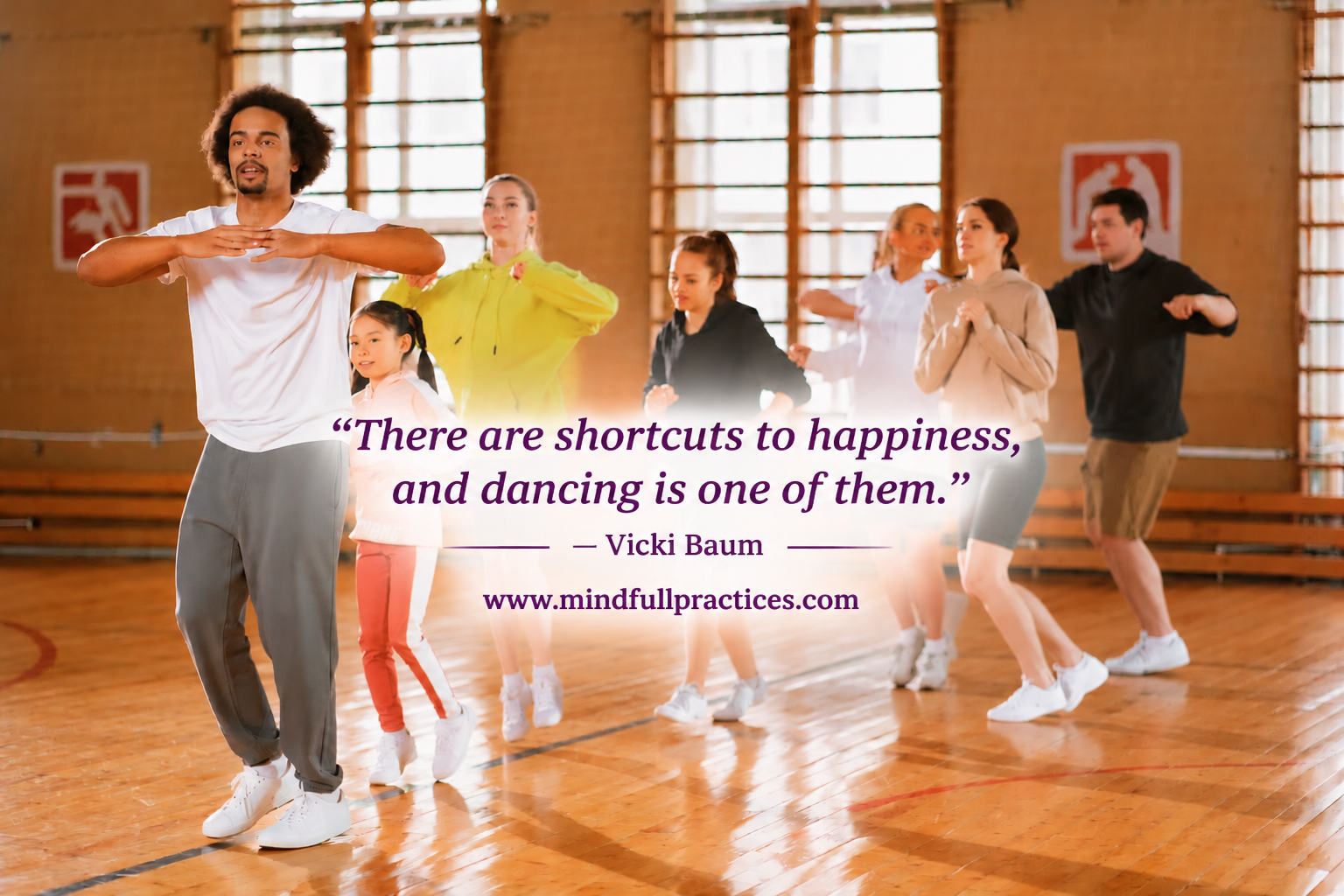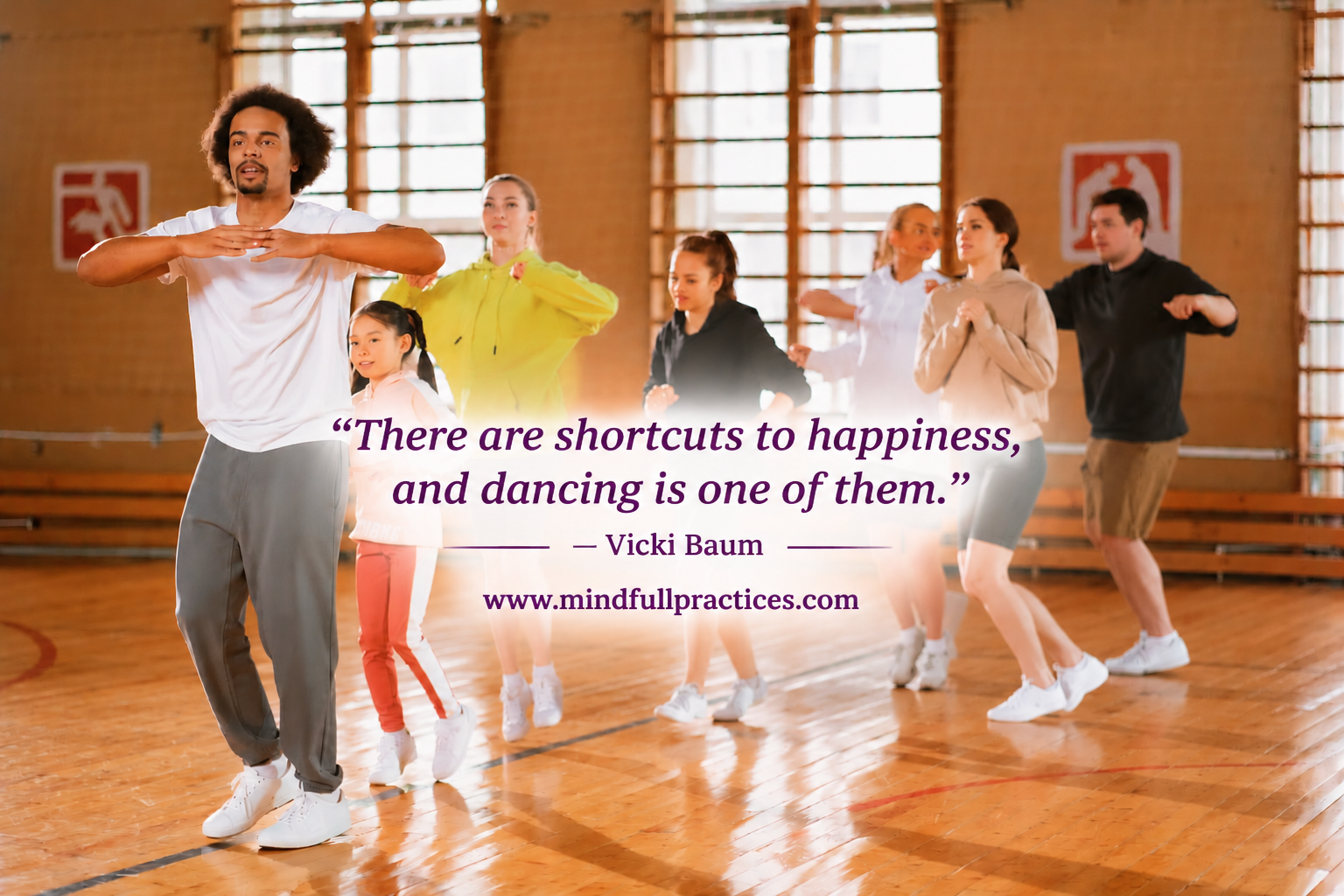
Have you ever found yourself dancing along to your favourite song without even meaning to? Perhaps you start swaying or tapping your feet while cooking, cleaning or simply enjoying a quiet moment at home. It's something that can bring a little happiness into an ordinary day.
And the lovely thing is, you don't need to be a professional dancer or know any complicated steps to enjoy dancing. It's something people of different ages and abilities can explore in their own way.
Beyond being a form of entertainment, dancing offers a range of benefits that can support your health and well-being. With regular practice, it can become a valuable part of a healthier, more balanced lifestyle.
Let's explore how dancing can support your body and mind.
1. Improves Strength, Flexibility, Balance and Posture
Dancing is a wonderful way to keep different parts of your body active. Your legs, arms, hips, back and core all work together as you move, turn and stretch.
Over time, regular practice can help strengthen your muscles, improve flexibility and support better posture. It can also improve your balance and coordination, making everyday activities such as walking, bending or climbing stairs feel more comfortable.
And as you get older, these benefits become even more valuable. They can help reduce the risk of falls and support your independence in everyday life.
2. Improves Heart Health and Stamina
When you dance, your heart works a little harder to supply oxygen to your muscles. With regular practice, your heart and lungs can gradually become fitter, helping support healthy blood pressure and reducing your risk of heart disease.
High-energy dance styles such as Zumba, salsa and aerobic dance offer a good cardiovascular workout. As your stamina improves, you might notice that daily tasks, such as cleaning your home, gardening or doing laundry, feel less tiring.
3. Dancing for Weight Loss
If you find traditional workouts a little boring, dancing might be something worth trying. You're burning calories while enjoying yourself, which makes exercise feel less like a chore.
How many calories you burn depends on your weight, the type of dance and how long you spend moving. Fast-paced dance styles such as Zumba may burn more calories than slower routines, but both can help you stay active.
Along with balanced meals and other healthy habits, regular dancing can support healthy weight management. Although you can't specifically target belly fat through exercise, you may gradually lose fat around your waist as your overall body fat decreases.
4. Reduces Stress and Improves Emotional Well-Being
After a long, tiring day, dancing can be a lovely way to unwind and lift your spirits. As you move to the rhythm, you may notice the tension in your body gradually easing, helping you leave behind some of the day's worries.
There's also a reason why dancing can make you feel good. Physical activity can influence brain chemicals such as endorphins and dopamine, which play roles in pain relief, pleasure and motivation. Serotonin is also involved in regulating your mood, and regular exercise may support its healthy functioning.
5. Supports Brain Health, Memory and Mindfulness

Have you ever tried learning a new dance routine and struggled to remember the next step? As you follow the steps, your brain has to remember the sequence while helping your body move in time with the rhythm. This mental activity may help improve your concentration and memory over time.
You may also become more aware of your posture, breathing and balance, helping you stay focused on the present moment.
6. Builds Confidence and Self-Esteem
Trying unfamiliar dance movements on your own, or dancing in front of others, can feel a little awkward at first. You might feel nervous or wonder whether you're doing it properly.
But that's part of learning, isn't it?
As you keep practising, dancing gradually becomes easier. You begin to notice your progress, and that little sense of achievement can help build your confidence.
You may also begin to appreciate your body for what it can do, rather than focusing only on how it looks.
7. Encourages Creativity and Self-Expression
Dancing is a lovely way to express how you feel. When you're happy, you might naturally move with more energy, while on quieter days, slow and gentle movements may feel just right.
And the nice thing is, you can make up your own movements, try something different or simply move in whatever way feels natural to you. Sometimes, you might even surprise yourself with a new step!
8. Builds Social Connections and Strengthens Relationships
A dance class or community event can be a wonderful place to meet new people. You get to spend time with others who share a similar interest, and there's often plenty of laughter along the way.
As you learn dance steps together, conversations may start naturally, and over time, new friendships can develop. For someone who feels lonely, these little connections can mean a lot.
Dancing can also be a lovely way to strengthen family bonds. A few minutes of moving to music with your children or other family members at home can bring you closer and create happy memories together.
9. Supports Better Sleep Quality
Regular dancing can improve sleep quality by supporting your body's natural sleep-wake cycle, helping you feel more ready for rest at night.
You can start with 15 to 20 minutes of dancing in the morning or afternoon.
The timing matters because vigorous dancing close to bedtime can leave you feeling too alert, making it harder to fall asleep. If you prefer dancing in the evening, gentle movements, such as slow contemporary dance, might suit you better.
How to Get Started with Dancing
10. Explore Different Types of Dancing
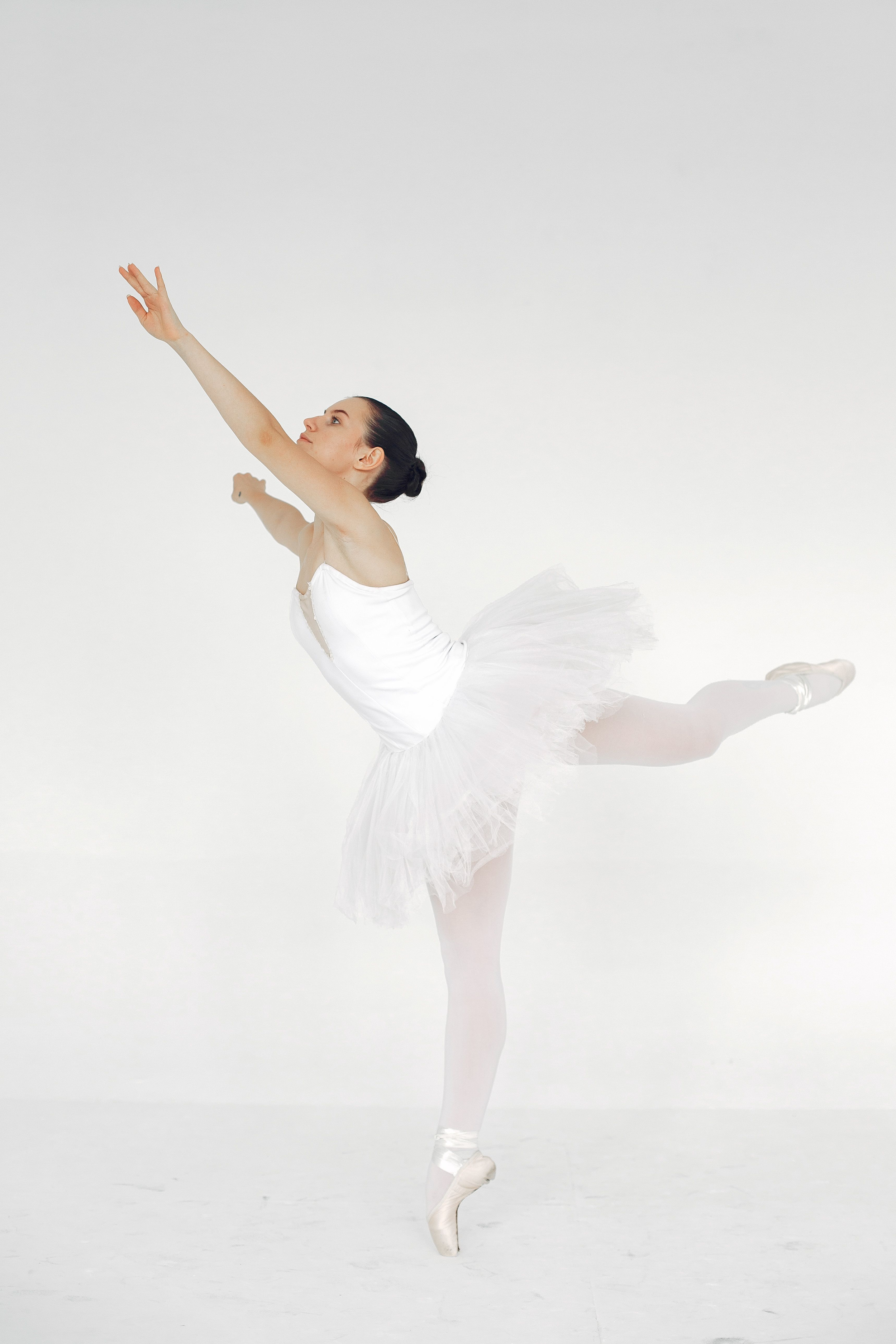
There are so many dance styles to explore, each offering something a little different. Here's a quick look at a few popular options to help you find one that interests you.
Dance Style
What Makes It Different
Ballet
Focuses on graceful, controlled movements, balance and posture.
Ballroom
Usually involves dancing with a partner, including styles such as the waltz, tango and foxtrot.
Salsa
A lively partner dance known for its rhythmic steps and turns.
Belly Dancing
Uses controlled movements of the hips, abdomen and upper body.
Hip-Hop
Features energetic movements, creative steps and rhythmic footwork.
Jazz
Combines expressive movements, turns and lively routines.
Tap Dancing
Creates rhythmic sounds by tapping special shoes against the floor.
Pole Dancing
Combines strength, flexibility and body control using a vertical pole.
Square Dancing
A social group dance where participants follow coordinated steps, often guided by a caller.
Why not try a few styles and see which one you enjoy the most? You might even discover a new favourite along the way.
11. Choose Your Dance Style and Start Slowly
If you're new to dancing, begin with just five to ten minutes of simple movements to gradually build your confidence.
Choose a dance style that interests you and feels comfortable to follow. You can explore more movements as you become familiar with the basics.
Online tutorials or beginner classes can help you learn the steps. And don't worry if you can't remember everything at first. As you continue practising, you'll find it easier to follow along, making the learning process more enjoyable.
12. Create a Safe Space and Build a Routine
Before you begin, make sure you have enough room to move without bumping into furniture. Wear comfortable clothing and suitable footwear.
Try fitting a short dance session into your daily routine, perhaps after finishing your household tasks. If you're working, you could also dance during a break or after work.
Your energy levels can vary from day to day, so listen to your body and adjust your pace accordingly.
13. Stay Hydrated While Dancing
Dancing can make you sweat, especially during more vigorous routines. As your body loses fluids through sweating, drinking enough water helps replace them, regulate your body temperature and reduce the risk of dehydration and tiredness.
Keep a reusable water bottle nearby and take small, regular sips while dancing. This also helps your heart circulate blood efficiently while you're active.
For longer or more intense sessions, you may need to replenish lost electrolytes, such as sodium and potassium. An electrolyte drink may help during prolonged, sweaty sessions, while a balanced snack afterwards can support your recovery.
14. Warm Up Before Dancing
It's tempting to start dancing as soon as your favourite music begins playing, isn't it? But warming up first can help get your body ready for the movements ahead.
This gradually increases your heart rate and blood flow to your muscles. It also helps improve joint mobility and flexibility, reduce the risk of injuries such as a pulled muscle or a sprained ankle, and mentally prepare you for dancing.
Begin with a few minutes of gentle, continuous movements, such as marching on the spot, shoulder rolls, side steps or light jogging. You could also include controlled leg swings. Once you're ready, gradually start dancing at a comfortable pace.
15. Cool Down After Dancing
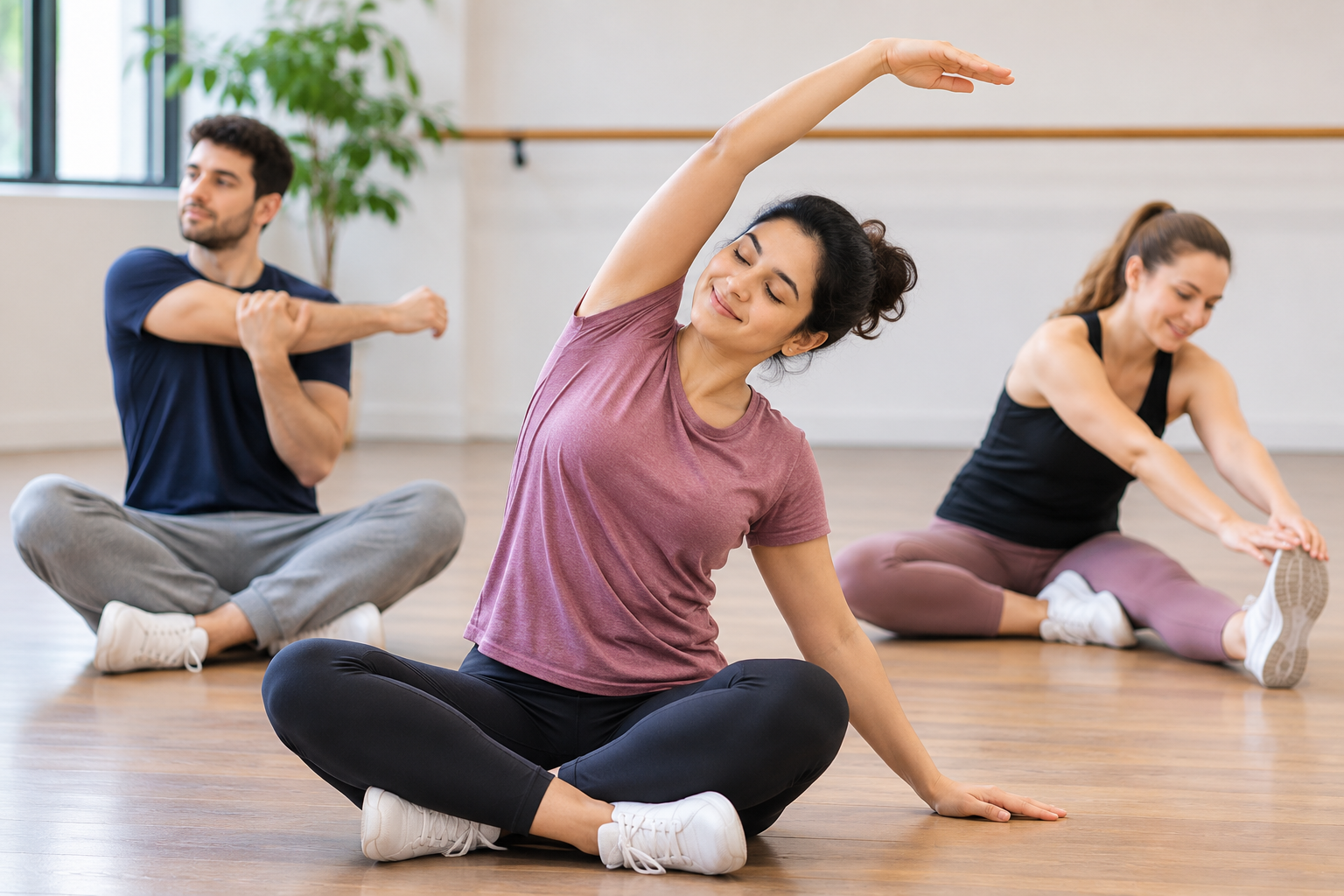
After enjoying your dance session, it's important to give your body a little time to settle. Cooling down gradually brings your heart rate and breathing back towards normal, helping reduce the risk of dizziness from stopping suddenly.
Gradually slow your movements, then do some gentle stretches for your legs, arms and back, holding each one comfortably for about 15 to 30 seconds without bouncing or forcing the movement. This can help ease muscle tightness and leave you feeling relaxed.
Final Thoughts
Dancing is more than just a form of entertainment. It's a wonderful activity that can bring happiness and positivity into your everyday life, and even a little movement can make a difference.
Whether you're discovering dancing for the first time or making it a regular habit, every step is an opportunity to do something good for your body and mind.
So, why not put on some music and let the rhythm guide you? Sometimes, the simplest activities can bring the greatest joy.
Disclaimer
I'm not a medical expert, so the information shared in this article is for general educational purposes only and should not replace professional medical advice. If you have any health concerns or existing medical conditions, please consult a healthcare professional before starting a new dance or exercise routine.
A Gentle Closing Note
There is always more to explore when it comes to living simply and mindfully. I look forward to sharing more with you in my upcoming articles.
In the meantime, feel free to check out the Home page. It’s where I gather everything from book reviews, self-care, simple joys, Smart spending , spiritual reflections to organization hacks and Time management, —basically all the little things that help us spend time mindfully and find more joy in the everyday.
If these ideas were helpful, feel free to share the article or subscribe to stay connected. Your feedback is always welcome.
I really appreciate you sticking with me until the end. Until next time, stay well and keep learning.
Related Posts