Have you ever been so busy with work, household chores or family commitments that you hardly had any time for yourself? With so much going on, it is easy to forget about your own well-being.
Fortunately, self-care can be simple, inexpensive and easy to include in everyday life. There are many ways to look after your physical, mental and emotional well-being, depending on what works best for you.
Over time, small changes to your habits may help you feel healthier, happier and more balanced. Here are 15 self-care practices you can explore at your own pace.
1. Who You Are Matters More Than What You Do
Your character, values and the way you treat others say a lot about who you are. Qualities such as kindness, honesty and resilience help you build meaningful relationships and face life's challenges.
Your job title and achievements may change over time, but people often remember how you treated them. Keeping your promises, listening patiently or handling disagreements calmly shows others that they can depend on you.
Sometimes, you may not even realise how much these little things mean to someone.
2. Avoid Making Important Decisions When You Are Tired
After a long day, you may feel exhausted from managing different responsibilities. When you are tired or stressed, it can be harder to think clearly and make important decisions.
You may even agree to something without giving it much thought, only to regret it later. If you need to make an urgent decision, pause for a few minutes and take some slow, deep breaths before deciding.
But if it can wait, why not get a good night's sleep and think about it the next morning? With a fresh mind, you may have a clearer idea of what is right for you.
3. Maintain Meaningful Connections
Good friendships bring happiness and emotional support to your life. Sharing your experiences or difficulties with someone you trust can give you a different perspective or help you find a solution you had not considered.
You may meet some friends regularly and others only once or twice a year. That is perfectly fine. A phone call, a thoughtful message or an occasional visit can help you stay connected. What matters is the care and understanding you share, even when life gets busy.
4. Learn to Accept What You Cannot Control
Life does not always turn out the way you expect. Plans change, unexpected problems arise, and some situations are simply beyond your control.
Feeling frustrated or disappointed is natural, but accepting what has happened can help you think more clearly about what to do next. Imagine you have planned a lovely family day out, but the weather turns bad.
Instead of feeling disappointed about the cancelled outing, you can still enjoy your time together at home, perhaps playing a board game or cooking a favourite meal. You cannot always change the situation, but you can choose how to respond.
5. Be Mindful of What You Watch

The videos and programmes you watch can influence your mood, thoughts and everyday habits. Some leave you feeling positive, while others make you feel distracted or overwhelmed.
It is easy to spend hours moving from one video to another without really enjoying what you are watching. Think about what you would genuinely like to watch before choosing something.
An educational video can teach you a new skill, while a funny programme can help you unwind. Podcasts and interviews are worth exploring too, especially when people share how they overcame difficult situations.
Their experiences may give you a fresh perspective or an idea you can use in your own life.
6. Make Choices That Support Your Current Needs
Your needs and interests change as you move through different stages of life. Family commitments, new responsibilities or personal experiences may influence how you prefer to spend your time.
Something you once loved may not feel quite as important today, and that is perfectly normal. Perhaps you once spent most weekends travelling or attending social events, but now you prefer quieter activities at home.
That does not mean you have to give up travelling or meeting friends altogether. You can still make time for them occasionally if you wish. What matters is choosing activities that suit your current needs and that you genuinely enjoy.
7. Create a Relaxing Evening Ritual
Creating a simple evening ritual can be a lovely way to end a busy day. After managing different responsibilities, you may find it difficult to switch off.
Thoughts about what happened earlier or what needs to be done tomorrow can still occupy your mind. Having something pleasant to look forward to can help you unwind before bedtime.
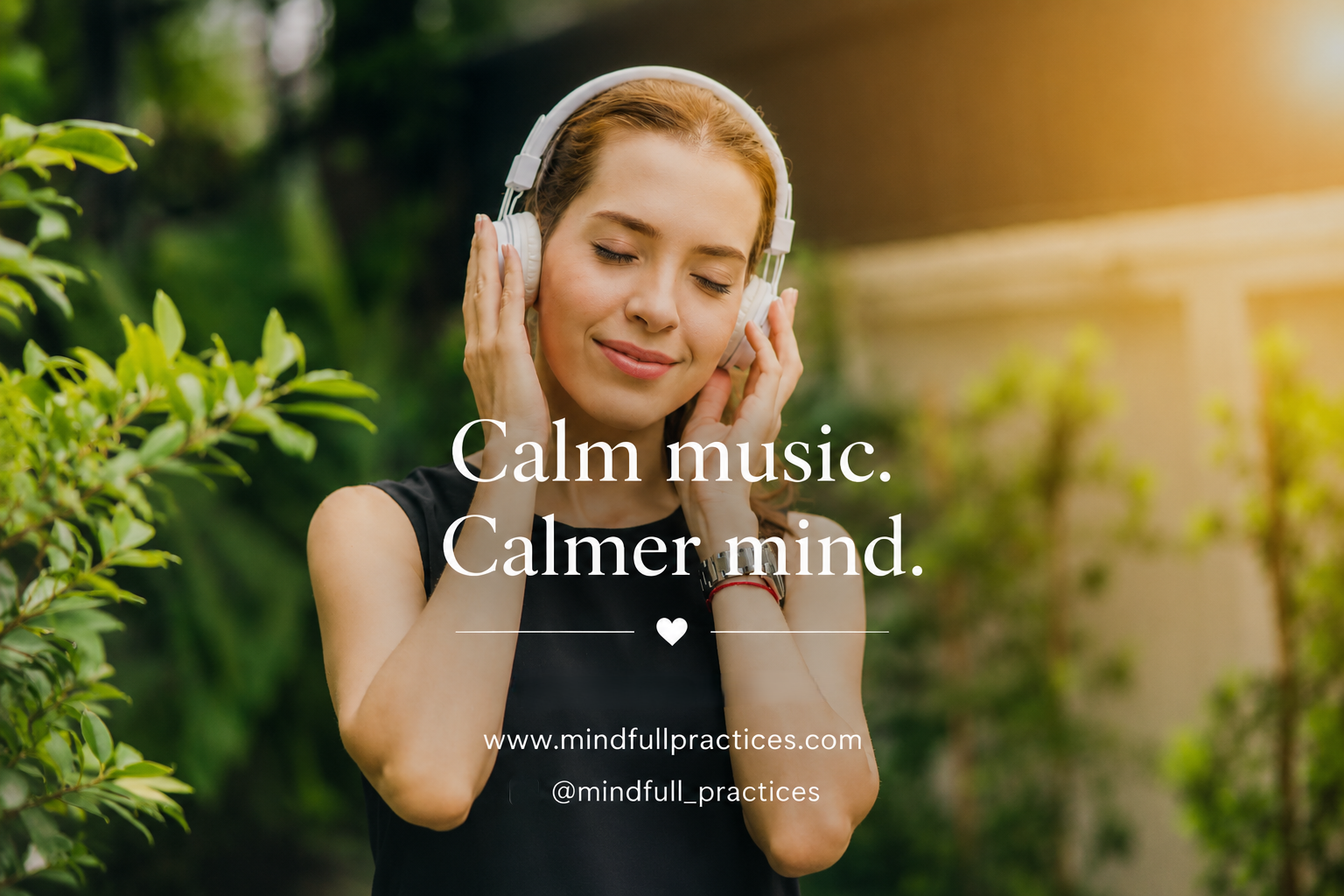
Read a few pages of a book, take a gentle walk, chant, meditate or write in your journal. Choose whatever feels right for you. There is no need to follow a strict schedule or set aside a whole hour. On busy evenings, even a few minutes may be enough.
8. Spend Time in Nature with Loved Ones
Spending time in nature with family or friends is a lovely way to enjoy each other's company. Being surrounded by trees and greenery offers a change from your usual surroundings and may help reduce stress.
Take a walk to a nearby park or explore a nature trail together. Even a short visit gives you a chance to chat and spend some quality time together.
While you are there, notice the flowers, listen to the birds or simply enjoy the fresh air. These are little things we sometimes miss during our daily routines. Natural daylight also helps support your body's sleep-wake cycle.
9. Focus on What Matters Most
Some days, you may have several household tasks and other activities to manage, but not enough time to finish everything. Rather than trying to do it all, decide what needs your attention first. Some things are important, while others can wait.
Focus on one activity at a time instead of moving between several things. And if you have too much to manage, ask your family members for help.
It is also worth considering whether every task needs to be done in full. For example, if you notice a stain on the floor, simply clean that spot instead of the entire area. The rest can wait until your regular weekly cleaning, leaving you with a little more time for yourself or your family.
10. Develop Positive Self-Talk
The way you speak to yourself can affect how you respond to challenges. Positive self-talk means using kind and supportive words, especially when things have not gone as expected.
You can tell yourself, “I can improve with practice” or “I have overcome difficulties before, and I can do it again.” Choose statements that feel realistic rather than forcing yourself to believe something you do not.
Some people prefer saying affirmations in front of a mirror, while others repeat them quietly in their minds. Choose whichever method feels comfortable and practise whenever you need a little encouragement.
11. Find Ways to Learn and Be Creative

Learn something new or develop a hobby that interests you. Trying something different from your usual routine can be refreshing. You may even discover abilities you never knew you had or find a way to express feelings that are difficult to put into words.
There is no need to spend a lot of money on courses or equipment. Singing, trying a new recipe, drawing, writing, gardening or learning a language are all worth exploring.
Whatever you create does not have to be perfect, and you do not need to share it with anyone. Sometimes, simply enjoying the activity is enough.
12. Take Care of Your Body
Look after your physical health to feel more energetic and move with greater ease. When you feel well, it is often easier to manage your responsibilities and spend time doing the things you love.
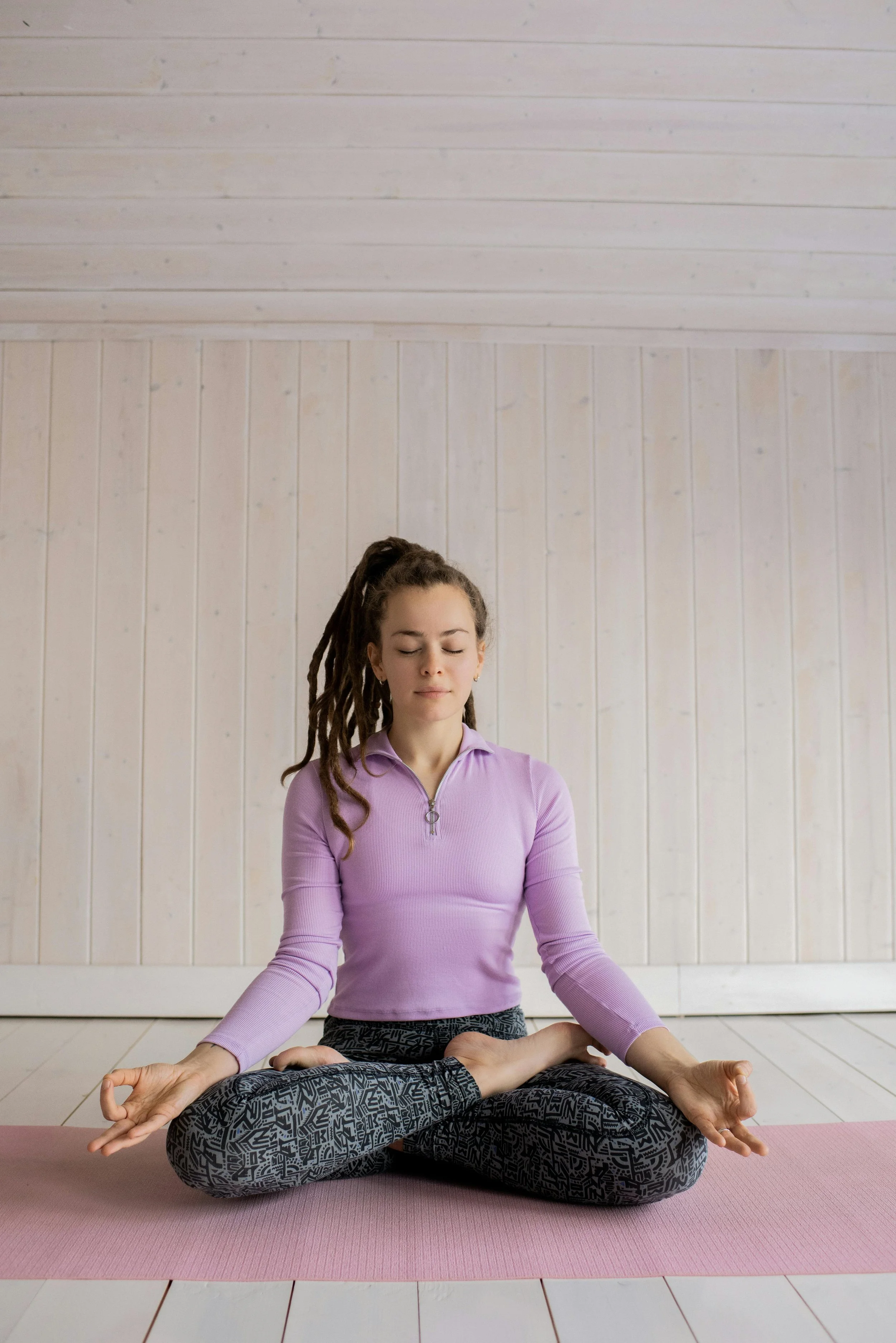
There are plenty of ways to stay active, both at home and outdoors. Try yoga, gentle stretching, Zumba or dancing in your living room. On other days, you may prefer jogging, swimming or playing badminton. Choose activities that suit your abilities and feel comfortable.
Along with exercise, remember to eat a balanced diet, drink enough water and get sufficient sleep. Include a variety of vegetables, fruit, whole grains and protein-rich foods in your meals to support your overall health.
13. Be Kind to Yourself
Every experience gives you a chance to learn something about yourself. You may have made a mistake, struggled to finish something you planned or felt disappointed with the result.
It is natural to feel frustrated, but being too hard on yourself will not change what happened. Try to be patient with yourself rather than expecting everything to go perfectly.
Once you feel calmer, think about what you can learn from the experience. Is there anything you would do differently next time? Even if things did not turn out as you hoped, remember the effort you have already made.
14. Focus on the Present
It is easy to get caught up in thoughts about yesterday or plans for tomorrow. But when your mind is constantly occupied with these things, you may miss the little moments happening around you.
Practising mindfulness during everyday activities is one way to bring your attention back to the present. While eating, notice the taste and aroma of your food.
When washing dishes, pay attention to the warmth of the water. You can also take a few slow, comfortable breaths and notice the air moving in and out.
Of course, your mind will wander sometimes. When it does, gently return your attention to what you are doing. With practice, you may find it easier to concentrate without getting distracted by unnecessary worries.
15. Choose Your Words Carefully

The words you use can make a difference to someone's day. A little encouragement may give someone confidence when they are struggling or help them believe they can overcome a difficult situation.
Seeing how your words have helped them can bring you a sense of happiness and achievement. It may even strengthen your own confidence in supporting others.
Even simple expressions such as “thank you”, “please” or “I appreciate your help” show that you value what others do. These words may seem ordinary, but they can make conversations more pleasant.
Final Thoughts
Looking after yourself can help you feel calmer, more confident and better prepared for the challenges of daily life. You may also begin to appreciate the little things that bring you happiness.
As you put these ideas into practice, take a moment to recognise the progress you have made. Be proud of your efforts and enjoy the benefits of caring for yourself.
A Gentle Closing Note
There is always more to explore when it comes to living simply and mindfully. I look forward to sharing more with you in my upcoming articles.
In the meantime, feel free to check out the Home page. It’s where I gather everything from book reviews, self-care, simple joys, Smart spending , spiritual reflections to organization hacks and Time management, —basically all the little things that help us spend time mindfully and find more joy in the everyday.
If these ideas were helpful, feel free to share the article or subscribe to stay connected. Your feedback is always welcome.
I really appreciate you sticking with me until the end. Until next time, stay well and keep learning.
Related Posts