15 Simple Ways to Save Money in Everyday Life

Are you looking for simple ways to save money in your everyday life? Your home is a good place to start. Think about your shopping habits and the household products you use regularly.
You might be spending more than you need to on certain things without even realising it. Sometimes, we stick to the same habits simply because that is what we have always done. But a few small changes could make a difference over time.
So, why not explore some of the ideas below and see which ones work for you?
1. Be Careful with Clearance Products
Clearance sections can be tempting. You see something at half the usual price, and suddenly it feels like a good deal. But would you have considered buying it if there was no discount?
Before making a decision, have a closer look. The product might have an outdated design, a colour you would not normally choose or even a few marks from being on display.
It is also worth checking the return policy, as some clearance items come with restrictions. Of course, you might find something you genuinely need at a much lower price.
That is always a good find. But sometimes, it is the discount itself that makes the item appealing. Giving yourself a little time to think can help you decide whether you really want it.
2. Look for Discounts on Planned Purchases
Before placing an online order, why not spend a few minutes looking for a discount code? You might find one shared by a YouTuber or another content creator who recommends products from the brand you are interested in.
You could also check whether the retailer offers a welcome discount for signing up to its newsletter. This can be useful when you already have something in mind to buy.
And if the purchase is not urgent, try leaving the item in your basket for a day or two. Occasionally, a retailer may send you a discount code to encourage you to complete the order. It does not always happen, of course, but it is worth a try.
3. Avoid Being Too Frugal
Saving money is important, but being too strict with every expense can sometimes make everyday life harder than it needs to be. There is nothing wrong with setting aside a little money for things you enjoy or that make your routine easier.
Perhaps you would like to save for a family holiday, enjoy a meal out occasionally or hire a cleaner or gardener when life gets busy. These things cost money, but they can also give you more time to spend with your family or focus on something that matters to you.
It is really about finding a balance that works for your circumstances.
4. Replace Cable TV with YouTube
Do you pay for cable TV but rarely watch most of the channels? If that sounds familiar, it might be worth reviewing your subscription.
Some television packages come with lengthy contracts or cancellation fees, and the monthly payments can add up. YouTube has plenty of free videos, from educational programmes to entertainment, without requiring a paid subscription for most regular content.
You can even save videos or create playlists for later. That way, when you have a little free time, you already have something you enjoy waiting to be watched.
5. Use Products Fully

Have you ever thrown away a tube because it looked empty, only to realise there was still some product inside? It happens quite easily, especially with things we use every day.
Take toothpaste, for example. Before throwing the tube away, try squeezing the remaining paste towards the opening. With moisturisers or creams, keeping the container upside down for a while may help the product move closer to the opening.
It is a small habit, but it can help you get a little more use out of something you have already paid for.
6. Take Care of Expensive Items
Replacing a mobile phone or another electronic device can be expensive, so it is worth taking a little care of the ones you already own.
A protective case can help prevent damage from accidental drops. Keeping your devices away from water and extreme temperatures is a good idea too. And do not forget to check the manufacturer's care instructions.
Of course, things can still go wrong. If something stops working properly, why not check whether it can be repaired before buying a new one? Sometimes, a small repair is all it needs to keep working for longer.
7. Choose Individual Meals Instead of Buffets
Buffets can be enjoyable, especially when you want to try different dishes with family or friends. But if you usually eat smaller portions, paying a fixed price may not always be worth it.
Why not have a look at the à la carte menu instead? You might find that ordering just a main course is enough for you. Or perhaps you would prefer a smaller dish, depending on your appetite and budget.
And if there is anything left over, you may be able to take it home for another meal, provided the restaurant allows it.
It is worth comparing the prices, though. Sometimes, a buffet might actually work out cheaper, especially if you want to try several dishes.
8. Save Money with a Grocery Delivery Pass
If you regularly order groceries online, have you checked whether your supermarket offers a delivery pass?
Instead of paying a separate delivery fee each time, you pay a fixed monthly or annual amount. Some supermarkets also offer cheaper passes for midweek or off-peak deliveries, which might suit you if your schedule is flexible.
Depending on the retailer, you may even get earlier access to popular holiday delivery slots. And having groceries delivered means one less journey to the supermarket, along with the fuel you might otherwise use.
Before signing up, though, check the minimum order value and think about how often you actually order groceries. A pass is only useful if it suits your usual shopping habits.
9. Remove Unnecessary Shopping Apps
Shopping has become so convenient that you can order almost anything in just a few taps. Sometimes, you might find yourself browsing products even though you had no intention of buying anything.
Then a notification appears. Perhaps it is a flash sale or a personalised offer, and suddenly you are looking at something you had not even thought about purchasing.
If you notice this happening regularly, try removing the shopping apps you rarely need. You can still visit the retailer's website when you genuinely want something. That extra step may give you a moment to think before placing an order.
There is no need to delete everything, though. Keeping your regular grocery app or another one you use for essential purchases may still be convenient.
10. Choose Water Instead of Sugary Drinks

When dining out, why not choose tap water instead of soft drinks or packaged juices?
Ordering drinks for everyone can become quite expensive, especially when you are eating with family or a group of friends. It may not seem like much when you look at the price of a single drink, but the total can be surprising.
Bottled water often comes with a charge too, so it is worth asking whether the restaurant offers free tap water before placing your order.
11. Iron Your Clothes at Home
If you regularly pay someone to iron your clothes, why not consider doing it yourself?
A little preparation can make the job easier. Try hanging shirts and blouses on hangers soon after washing or drying. This may help reduce wrinkles, so there is less ironing to do later.
When ironing, start with a low temperature and increase the heat gradually as needed. Check the care labels too. Too much heat can damage certain fabrics, and you may end up having to replace clothes that could have lasted much longer.
You could also unplug the iron shortly before finishing and use the remaining heat on suitable lightweight clothes, as long as it is safe to do so.
12. Buy Regular Essentials During Sales
When you find a good discount on something you use regularly, picking up an extra pack might be a sensible idea.
Think about everyday essentials such as toothpaste, cleaning products or non-perishable food. There is no need to fill your cupboards with more than you can use, though.
Just consider how often you need these items and whether you have enough storage space.
Having a spare at home can be handy when something runs out unexpectedly. It may also save you a last-minute visit to a convenience store, where prices are often higher.
One more thing worth checking is the price per unit. A larger pack might look like a better deal, but sometimes a smaller one works out cheaper for the same quantity.
13. Choose Tubs Instead of Tubes
When buying products such as body moisturisers or conditioners, have you ever considered choosing a tub instead of a tube?
With a tub, it is often easier to reach the product inside, even when there is only a small amount left. You can use clean fingers or a spatula to take out what you need, rather than struggling to squeeze out the last bit.
Some brands also offer refill packs. These can sometimes work out cheaper than buying the same product in a new container, so it is worth comparing the prices before deciding.
14. Adopt a Low-Maintenance Lifestyle
A low-maintenance lifestyle can help you cut down on unnecessary purchases and the cost of looking after the things you own.
Think about how many things you have at home. The more you own, the more time you may spend cleaning, dusting and organising them. Some items even need special cleaning products or regular maintenance.
Now, think about your clothes, shoes and makeup products. Have you ever bought something new, only to discover that you already had a similar item at home? It can happen when you lose track of what you own. Keeping just the things you genuinely like and use regularly could help you avoid buying duplicates.
After all, it is about choosing quality over quantity.
15. Stick to a Regular Grocery Store
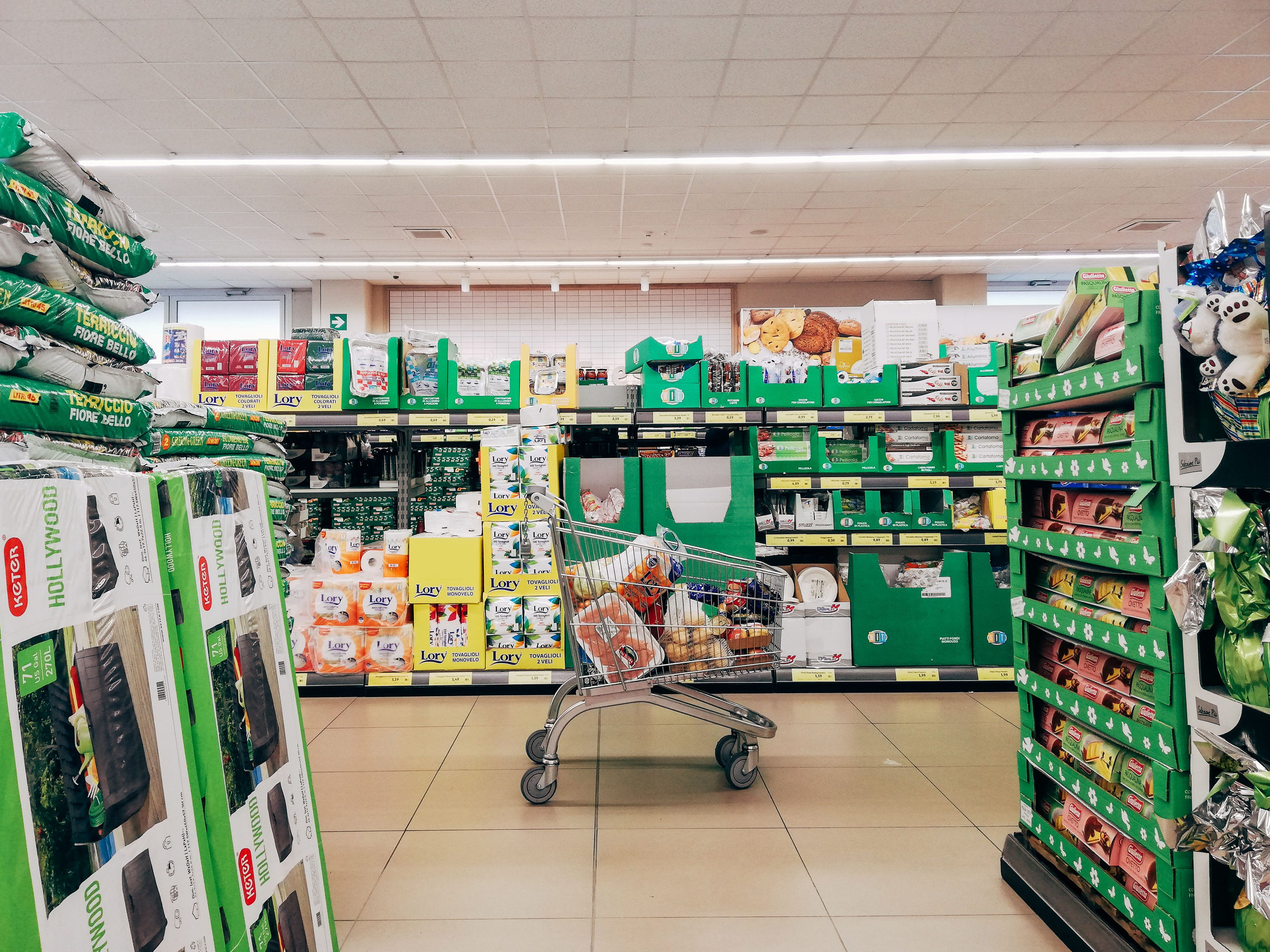
Visiting several supermarkets to find small discounts might seem like a good way to save money. But when you think about the extra journeys and time involved, it may not always be worthwhile.
For most of your everyday shopping, you could choose one regular store. After a while, you will probably become familiar with its prices, product quality and usual offers. You may even know exactly where to find the things you need, which makes shopping a little easier.
That does not mean you have to shop there all the time. If another supermarket has a particularly good offer or stocks something you cannot find locally, you can still visit it. The idea is simply to avoid making several unnecessary trips for small savings.
Final Thoughts
I hope you found a few useful ideas here that you can try in your everyday life. I am still learning and trying out different ways to save money myself. As I discover more, I look forward to sharing them with you in my future posts.
And if you have any tips or experiences of your own, feel free to share them in the comments. I would love to hear from you.
A Gentle Closing Note
There is always more to explore when it comes to living simply and mindfully.
Feel free to visit the Home page. It’s where you can explore book reviews, self-care, simple joys, Smart spending , spiritual reflections to organization hacks and Time management, —These are some of the everyday topics I enjoy exploring and writing about.
If you found these ideas helpful, feel free to share the article or subscribe for future posts.
Thank you for reading until the end. Until next time, stay well and keep learning.
Related Posts